Curious about buying or selling on Chicago’s South Side but not sure where to start? You are not alone. With dozens of neighborhoods and a wide mix of home types, the South Side can feel complex at first glance. In this guide, you will get clear, practical basics that help you spot value, understand pricing, and plan your next move with confidence. Let’s dive in.
The South Side is many micro-markets
The “South Side” covers a large, diverse area south and southwest of the Loop. Neighborhoods vary in housing stock, transit, nearby institutions, and price. Some communities close to downtown see faster appreciation, while others farther out trade at lower medians with slower turnover.
You should analyze each neighborhood on its own. For example, parts of Bronzeville, Hyde Park, and Woodlawn benefit from proximity to the University of Chicago and steady rental demand. Southwestern and Far South neighborhoods like segments of Englewood, Greater Grand Crossing, West Pullman, and Roseland often have more investor activity and rehab opportunities. To track real numbers by community area, review current data in the CAR neighborhood reports.
Expect outcomes to differ even block by block. That is why it helps to partner with an agent who knows how local streets, transit, and recent permits or projects can shift demand.
Home types you will see
Chicago bungalows and single-family homes
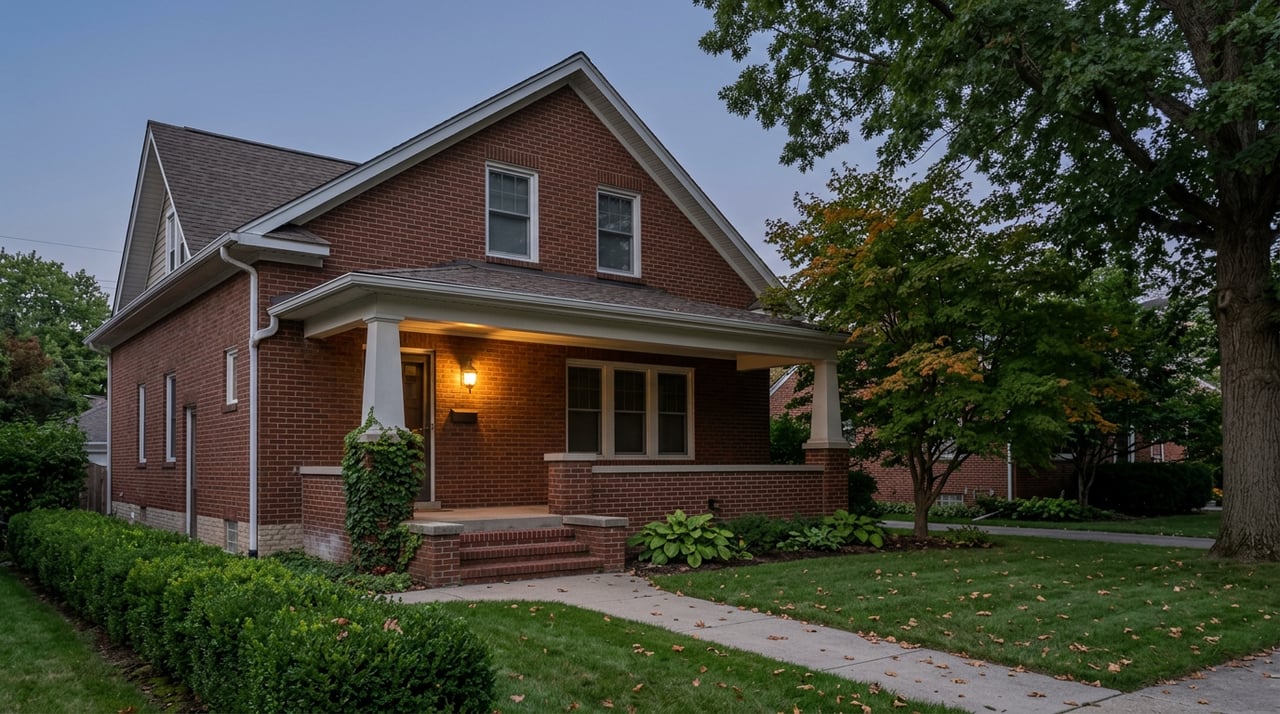
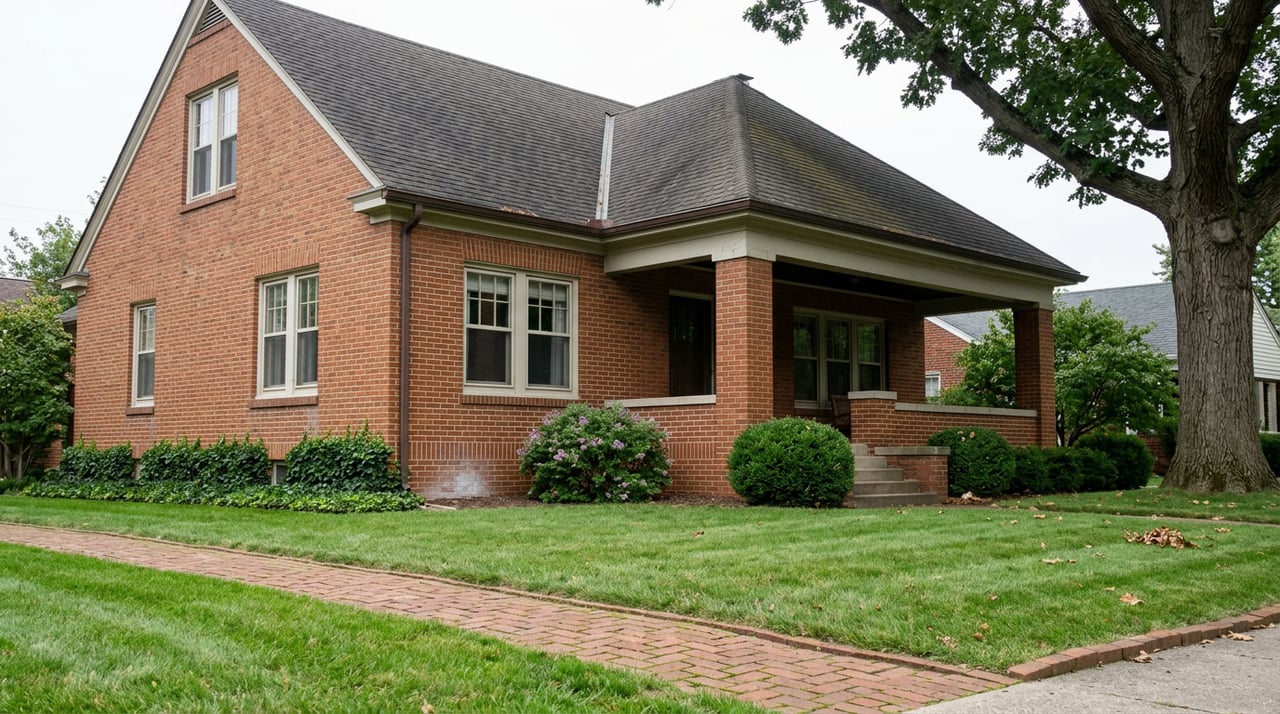
Many streets feature classic brick bungalows from the early 1900s. These one-and-a-half to two-story homes usually sit on narrow lots and include a basement, sometimes unfinished. Older systems and insulation are common. If a home was built before 1978, you should understand lead-based paint rules and disclosures. Review the EPA’s guidance on lead-based paint disclosures for real estate.
Two-flats and three-flats
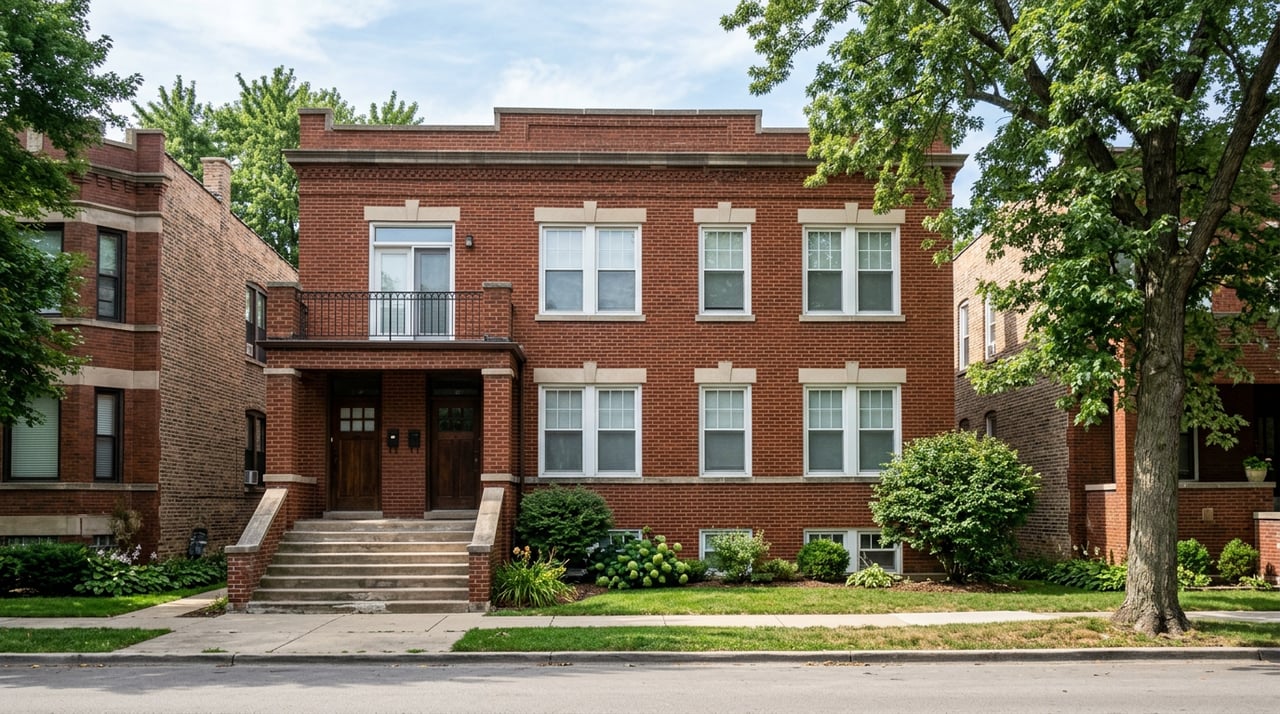
You will see many two- and three-unit buildings across the South Side. These appeal to owner-occupants who want to live in one unit and rent the others to offset the mortgage, and to investors looking at income. Some mortgage programs, including FHA, allow up to four units for owner-occupants. Underwriting and appraisals are different from single-family homes, so you should confirm program fit and projected rents with your lender early.
Rowhouses, frame homes, and mid-century stock
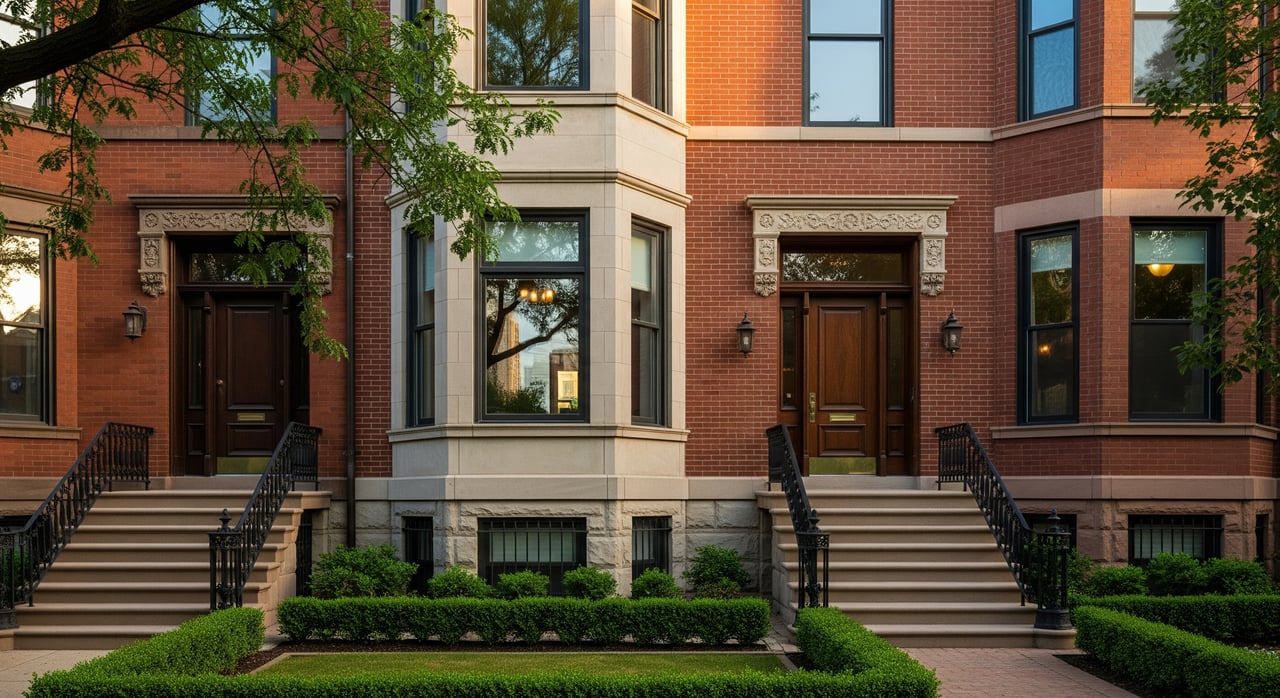
Depending on the neighborhood, you will find brick rowhouses, frame cottages, mid-century bungalows, and modest postwar homes. Many properties have been updated, but older wiring, plumbing, roofs, or masonry can be present. Budget for routine modernization and energy improvements.
Parking and lot layout
Many South Side blocks have alley access with rear garages, which can be a selling point in winter. On-street parking rules vary by ward, so check local permits and restrictions if parking is essential to your daily routine.
What drives pricing on the South Side
Location and transit access
Proximity to CTA rail lines, Metra stations, and major bus corridors is a major pricing driver. Homes near easier downtown commutes often command premiums. When you compare options, map out your door-to-downtown time during rush hour.
Nearby institutions and anchors
Areas next to major employers, universities, hospitals, and cultural centers tend to show steadier demand. The University of Chicago and medical campuses, for example, influence nearby markets like parts of Hyde Park and Woodlawn.
Condition, rent potential, and rehab quality
For two-flats and similar properties, expected rents and realistic rehab budgets shape value. Well-planned renovations that update kitchens, baths, mechanicals, and energy efficiency usually sell faster and for more. Over-improving beyond the neighborhood standard can limit your return, so calibrate finishes to local comps.
Property taxes and carrying costs
Cook County property tax assessments vary widely and affect your true monthly payment. Review assessed value, exemptions, and appeal timelines through the Cook County Assessor. Build taxes, insurance, utilities, and potential HOA or special assessments into your affordability plan.
Inventory and seasonality patterns
The South Side follows typical Midwest seasonality. You will see more new listings and buyer activity in spring and summer, with a slower pace in late fall and winter. Some neighborhoods with active investor communities show cyclical inventory when clusters of rehabs hit the market together. Others have chronically lower turnover, which can limit choices but support prices for well-prepared listings.
Distressed inventory and auctions can be present along certain corridors and change over time. If you are exploring a specific block or building class, check recent permits and nearby development activity on the City of Chicago Data Portal.
Valuation basics: buying, selling, and investing
Two-flat valuations
Appraisers often consider both comparable sales and the income approach. Owner-occupants may justify a modest premium for strong cash flow, but lenders still weigh condition, rental comps, and unit legality. Clean documentation, leases, and a simple pro forma help.
Renovation premiums
Renovations that address kitchens, baths, major mechanicals, and insulation tend to capture meaningful price improvement. Focus on durable finishes and building systems. Avoid luxury upgrades that outpace local comparables unless you have a clear strategy and timeline.
Days on market and negotiation
Transit-rich or institution-adjacent areas can see quicker sales and multiple offers. Neighborhoods with more inventory may have longer market times and more room for concessions. Price to the most relevant comps within a tight radius and adjust for condition and micro-location.
Buyer checklist: steps to take now
- Pull current neighborhood stats. Review median price, days on market, and months of inventory using the CAR neighborhood reports. Focus on the last 6 to 12 months for a realistic read.
- Map your commute and daily needs. Confirm your access to CTA or Metra, grocery options, parks, and healthcare. Small location details can materially change your experience and resale prospects.
- Inspect for older-home issues. Plan for close inspection of roofs, foundations, electrical, plumbing, and masonry. For pre-1978 homes, learn required disclosures and safety steps in the EPA’s lead-based paint guidance.
- Check permit and code history. Confirm whether past work was permitted and closed out. Start with the Chicago Department of Buildings and the City’s data portal.
- Review flood risk. Look up the property’s flood zone using the FEMA Flood Map Service Center. Your lender may require flood insurance depending on the zone.
- Get the right financing preapproval. Compare conventional, FHA, and VA options. If you want up to four units as an owner-occupant, confirm program specifics with your lender and be ready with rent comps and a maintenance plan.
- Verify property taxes. Check assessed value, exemptions, and appeal windows at the Cook County Assessor. Model your monthly payment with realistic tax estimates.
- Explore assistance programs. If you are a first-time buyer, review down payment or closing cost help through the Illinois Housing Development Authority.
Seller checklist: get market-ready
- Calibrate to hyper-local comps. Pull the most relevant nearby sales and active competition. Price for your micro-market, not a broad citywide average.
- Tackle the big-ticket items. Address safety and system concerns first. Documentation of recent roof, mechanical, or electrical updates builds buyer confidence and supports your price.
- Verify permits and records. Gather permits, warranties, and past inspection outcomes. Buyers and appraisers will ask. Start with the Chicago Department of Buildings.
- Prep for photos and showings. Light, declutter, and stage for your buyer profile. Simple curb appeal upgrades help especially on bungalow and brick-front blocks.
- Plan for taxes and closing costs. Chicago and Cook County have transfer taxes that affect your net. Review the City’s Real Property Transfer Tax overview and confirm county recording and transfer requirements with your attorney or the Cook County Clerk.
Practical rules and protections to keep in mind
- Permits and inspections. Structural, plumbing, electrical, and HVAC work generally require permits. Verify that past and current work meets code to avoid surprises at appraisal or closing.
- Rental registration and licensing. If you plan to rent units, learn current city requirements for licensing and inspections. Rules and enforcement can change, so get the latest from the City.
- Environmental and historical factors. In areas near legacy industrial sites, environmental due diligence may be appropriate. In local historic districts, exterior changes can be regulated. Ask about district status before planning exterior work.
How a local, negotiation-first approach helps you
Buying or selling on the South Side is about understanding micro-markets and executing with discipline. You deserve an advisor who combines neighborhood insight with a clear process and strong negotiation.
- Local intelligence. You get guidance calibrated to South Side blocks and nearby suburbs, so you can weigh a city-versus-suburb move in one conversation.
- Investor and multi-family know-how. If you are eyeing a two-flat or small multi-unit, you benefit from valuation experience that blends income potential with financing realities.
- Pricing strategy and marketing reach. You get boutique attention supported by national marketing to reach serious buyers across channels.
Ready to make a confident move on the South Side? Connect with Tina Hollins to discuss your goals and next steps. Schedule a Consultation.
FAQs
Is the South Side more affordable than other Chicago areas?
- Many South Side neighborhoods have lower median prices than citywide averages, but results vary by neighborhood. Review local data in the CAR neighborhood reports.
What types of homes are common on the South Side?
- You will see brick bungalows, two-flats and three-flats, rowhouses, frame cottages, and mid-century homes, with condition ranging from original to fully renovated.
Are two-flats a good investment for owner-occupants?
- They can be if projected rents, vacancy assumptions, and maintenance budgets are realistic; confirm loan program eligibility and appraisal expectations with your lender.
What inspections or hidden costs should I plan for with older homes?
- Budget for roof, foundation, electrical, plumbing, and masonry updates, and follow EPA guidance on lead-based paint disclosures for pre-1978 homes.
How important is transit access for resale value?
- Very important; proximity to CTA or Metra typically supports demand and pricing, so map commute times when you compare homes.
Where can I verify property taxes and transfer costs?
- Use the Cook County Assessor for tax assessments and the City’s Real Property Transfer Tax overview for transfer taxes; confirm details with your lender and attorney.