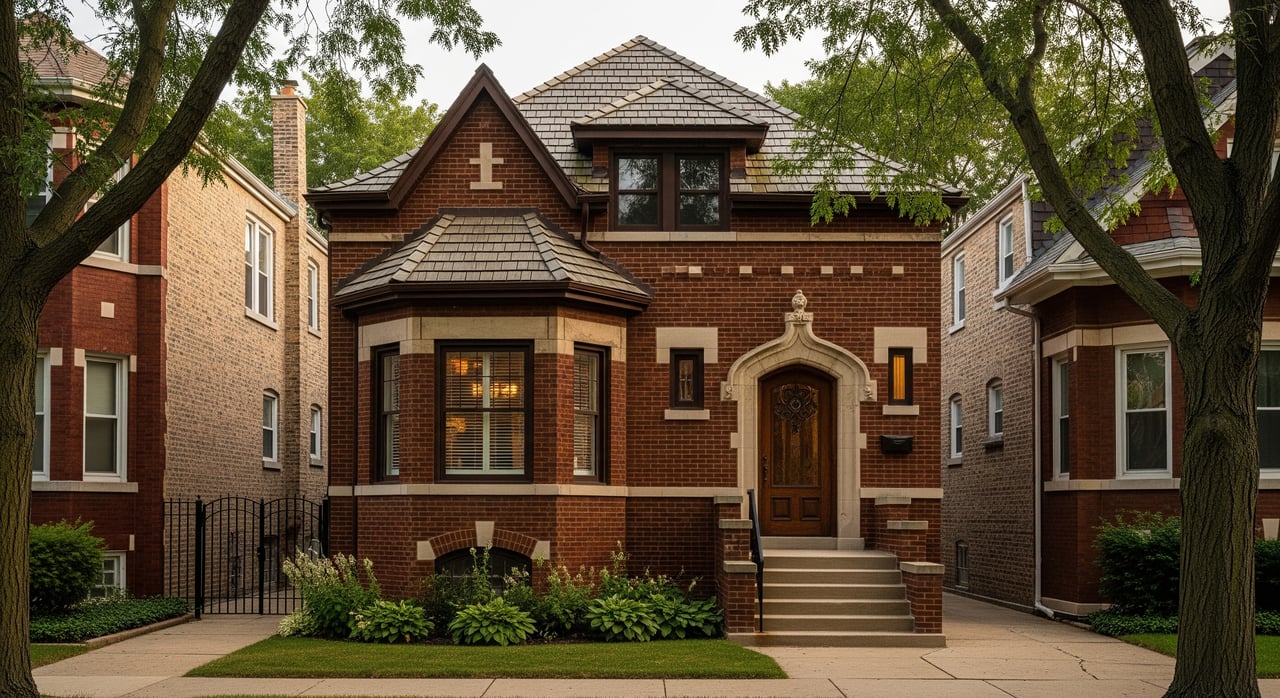
What draws so many buyers to Chicago’s South Side bungalow streets? It’s the mix of classic brick charm, efficient floor plans, and lively, established blocks where daily life feels simple and connected. If you want single-family living with just enough yard and room to grow, the Bungalow Belt gives you options across several neighborhoods. In this guide, you’ll learn how these homes live, what to expect from maintenance and updates, and how to decide if a bungalow fits your plans. Let’s dive in.
What the Bungalow Belt is
The “Bungalow Belt” refers to clusters of modest, mostly brick single-family homes built in the 1910s–1930s as Chicago expanded. These houses offered affordable, owner-occupied living for a growing middle class and were designed with practical space and durable materials. On the South Side and nearby Southwest areas, you’ll spot these streets in parts of Beverly/Morgan Park, Bridgeport, Back of the Yards, Gage Park/McKinley Park, Auburn Gresham, Chatham, and South Shore, among others. You won’t find a single official district; instead, it’s a collection of blocks that share a similar look, lot pattern, and rhythm.
Where you’ll find bungalows
Many South Side bungalow areas grew up along early streetcar and railroad corridors. That legacy still shapes how these neighborhoods function today. You’ll see consistent blocks of brick facades, small front lawns, and tree-lined sidewalks across multiple community areas. Each neighborhood offers its own mix of transit access, commercial corridors, and parks within a short walk or drive.
How a bungalow looks and feels
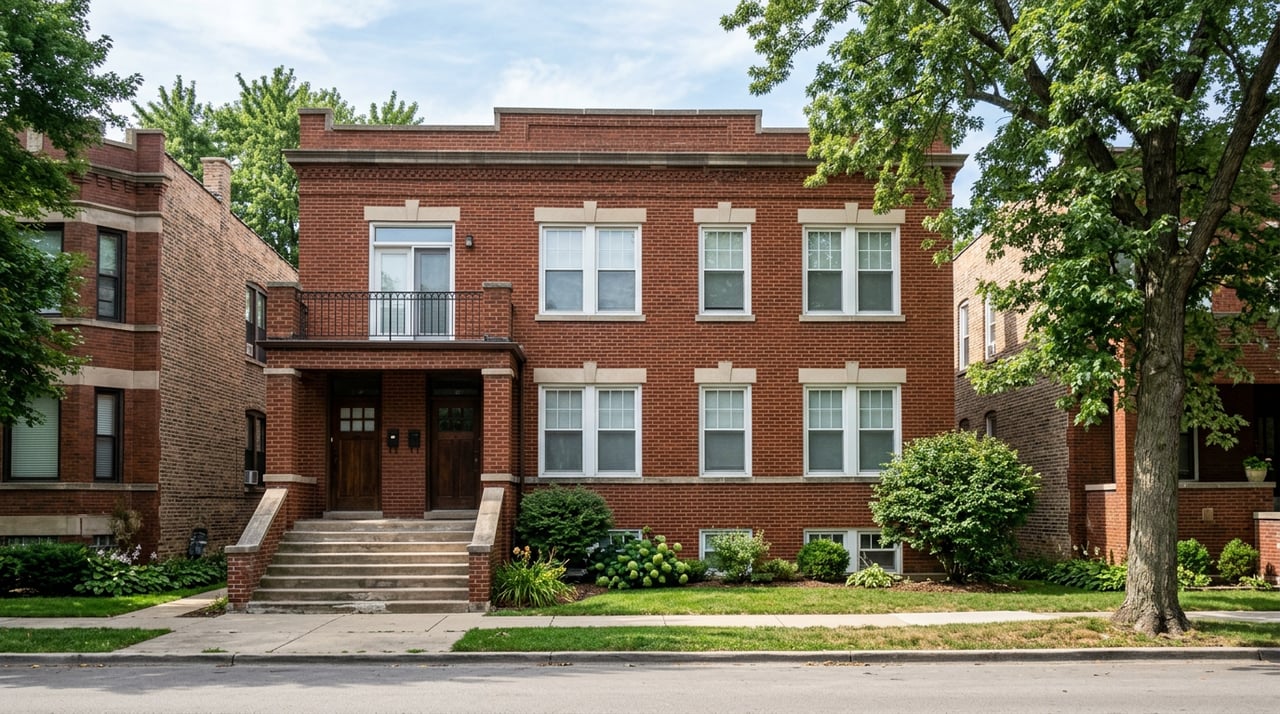
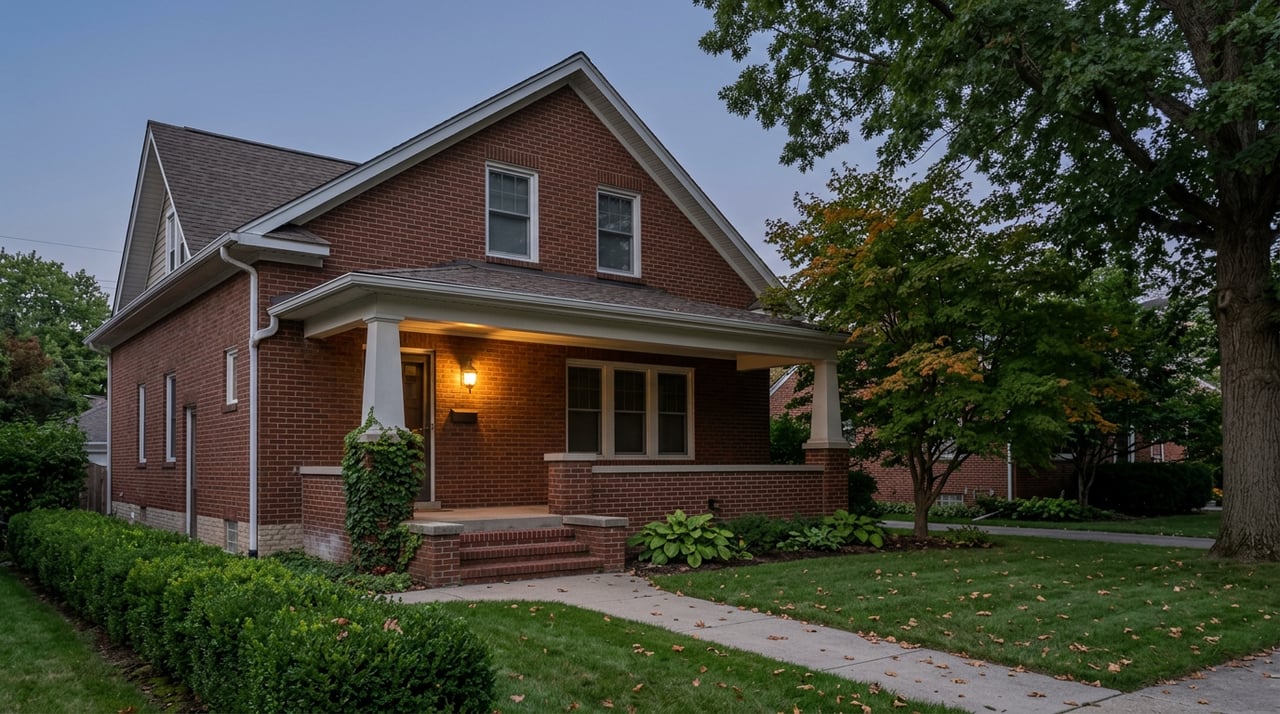
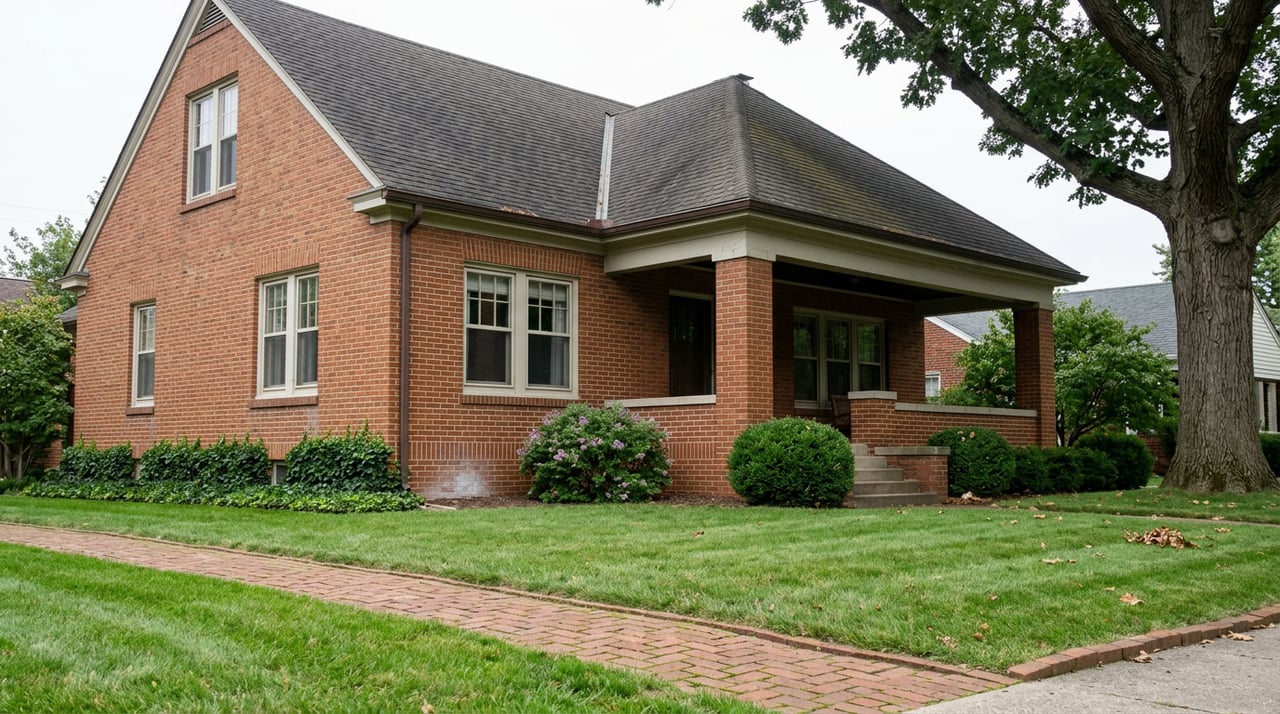
The bungalow’s appeal starts at the curb. You’ll notice brick construction, low-pitched roofs, and a front bay or porch that pulls light into the living room. Modest detailing, simple cornices, and Craftsman or Prairie influences give the homes character without being fussy.
Exterior character at a glance
- One to one-and-a-half stories, often with dormers for attic light and headroom.
- Brick masonry with restrained detailing that holds up well over time.
- Front bays or sun porches that become favorite spots in spring and summer.
Inside layout and usable space
- Efficient main-floor plans typically include a living room, dining space, and two to three bedrooms.
- Many kitchens were originally compact and placed at the rear; owners often open walls for a modern flow.
- Full basements are common and frequently finished to add family rooms, bedrooms, laundry, and storage. This extra level often makes a bungalow live larger than its main-floor footprint suggests.
Lots, garages, and alleys
- Typical historic Chicago lots are often around 25 feet wide by 125 feet deep, which shapes interior layouts and yard size.
- Alleys are standard. Detached garages usually sit at the back of the lot, which simplifies off-street parking and trash pickup.
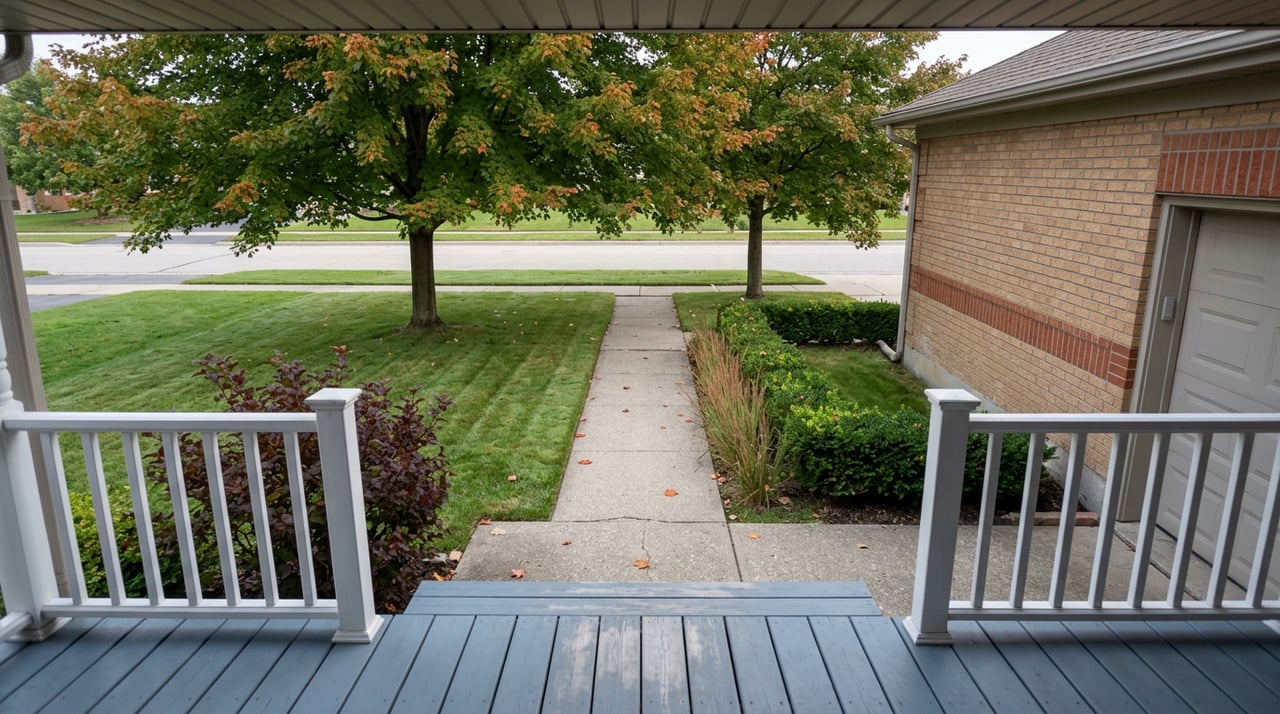
- Small lawns, foundation plantings, and tree canopies give these blocks a calm, cohesive feel.
Daily life: transit, errands, and parks
Bungalow neighborhoods were planned in the streetcar era, so many sit near key bus routes and, in some areas, CTA or Metra stations. Commute options vary by neighborhood. Some spots offer relatively direct rail access, while others lean more on buses and driving. The alley-and-garage setup means parking is often easier than you might expect for city lots.
Shops, services, and green space
- You’ll often find small commercial corridors nearby with groceries, restaurants, and everyday services.
- Larger retail centers are typically a short drive away.
- Chicago Park District parks and playgrounds are part of daily life for many residents, with fields and programs close to home.
Community and block clubs
Bungalow streets tend to share scale, setbacks, and materials, which creates a strong sense of continuity. Block clubs and civic groups are common and often host cleanups, block meetings, or seasonal events. Front porches and sunrooms encourage neighborly conversations when the weather cooperates.
Is a bungalow right for you?
Choosing a bungalow is about lifestyle fit and how you plan to use space now and later. If you want historic charm with the opportunity to update, it’s a strong candidate. If you prefer sprawling lots and new construction, it may feel tight unless you find a remodeled home.
Great fits
- You want single-family living with a manageable yard.
- You appreciate historic details and plan to modernize over time.
- You value established blocks with trees, sidewalks, and local services.
Maybe not ideal if
- You need very large lots or wide-open suburban floor plans.
- You want brand-new systems and finishes without taking on updates.
- You prefer single-level living with no stairs.
Renovations that add livability
Bungalows adapt well to modern needs with straightforward updates. Focus on functional projects first, then layer in style.
Popular upgrades
- Finish or refinish the basement to add bedrooms, a family room, or a home office.
- Rework the kitchen to open the main floor and improve flow.
- Update mechanicals, including HVAC, electrical service, and plumbing where needed.
Maintenance you should expect
- Masonry: tuckpointing and mortar care, plus periodic roof and chimney work.
- Windows and insulation: original assemblies can be less efficient, so upgrades help comfort and costs.
- Porches: many need structural repair or rebuilding to preserve character and function.
What to watch for during inspection
Older Chicago homes reward thorough due diligence. A strong inspection can save you time and money by clarifying project scope and sequencing.
- Foundation and signs of basement water intrusion.
- Roof age, flashing, and chimney condition.
- Masonry condition, including bricks and mortar joints.
- Heating systems, electrical service size, and any outdated wiring.
- Plumbing materials, especially if galvanized pipes remain.
- Prior renovations and whether work appears permitted and to code.
Basements, water, and comfort
Basements are a big part of a bungalow’s value, but they also require attention. In some areas, older foundations or storm events can lead to dampness or seepage. Plan for evaluation of grading, gutters, and drainage as part of your maintenance routine. Finishing the basement with moisture control in mind protects both comfort and long-term durability.
Health and safety in older homes
If the home predates 1978, be aware of lead-based paint risks and follow recommended guidance for testing and remediation when necessary. Asbestos-containing materials can be present in older mechanical or insulation components. A qualified inspector can help you plan safe, code-compliant updates.
Permits, landmarks, and incentives
Some bungalow blocks are located within local historic districts or include landmarked properties. Landmark status can influence exterior changes and may require review by the Chicago Commission on Chicago Landmarks. While this can add steps to the permit process, some owners in designated areas may be eligible for façade programs or historic tax incentives. For any renovation, expect to secure the appropriate City of Chicago permits, especially for structural, foundation, and major mechanical work done by licensed contractors.
Insurance, taxes, and cost planning
Insurance premiums for older homes can vary based on system updates and claims history. Property taxes also differ by neighborhood and property characteristics. As you build your budget, factor in potential system upgrades, roof or masonry cycles, and insulation improvements so your home’s performance aligns with your expectations.
A practical buyer checklist
Use this quick list to keep your search focused and efficient.
- Walk the block: note tree canopy, sidewalks, alley conditions, and garage access.
- Confirm lot size and orientation; many bungalow lots are about 25 by 125 feet.
- Evaluate the main-floor layout and basement potential for future needs.
- Ask for recent permits to understand what’s been updated and how.
- Inspect foundation, roof, masonry, HVAC, electrical, and plumbing thoroughly.
- Factor in energy upgrades like insulation, window work, and high-efficiency systems.
- If the block may be in a historic district, plan for review steps on exterior changes.
- Get homeowner’s insurance quotes and confirm property tax details early.
How bungalows support long-term value
Chicago bungalows are a recognized and well-loved home type. Their durable materials and adaptable layouts make them smart choices for many buyers who want a balance of character and function. Resale depends on neighborhood trends, property condition, and overall market dynamics, but well-maintained bungalows in established areas often draw consistent interest.
Ready to explore South Side bungalows?
If this sounds like your kind of home, you deserve a local, negotiation-focused partner who knows these streets and the nearby suburbs inside and out. From first-time buyer coaching to seasoned move-ups, you’ll get clear guidance, smart pricing analysis, and a calm, step-by-step process. Start your search with Tina Hollins and schedule a consultation when you’re ready to walk blocks, compare layouts, and plan the right offer.
FAQs
What is Chicago’s South Side Bungalow Belt?
- It’s a collection of early 20th-century brick single-family homes across multiple South and Southwest Side neighborhoods that share similar designs, lot patterns, and streetscapes.
How much space does a bungalow offer?
- Expect a modest main-floor footprint plus a full basement that often becomes valuable living area, such as a family room, bedroom, or home office.
What inspections matter most for older bungalows?
- Focus on foundation and basement moisture, roof and chimney condition, masonry, HVAC and electrical capacity, plumbing materials, and evidence of unpermitted or improper past work.
How does parking usually work for these homes?
- Many bungalows have rear-alley access with detached garages, which supports off-street parking; on-street options vary by block and local rules.
Are bungalows energy efficient?
- Original construction can be less efficient, but upgrades like insulation, window improvements, and modern HVAC systems typically bring performance in line with today’s expectations.
Do renovations require special permits or reviews?
- Standard remodeling requires City of Chicago permits, and homes in landmark districts may need additional review for exterior changes; licensed contractors and inspections are common for structural and mechanical work.