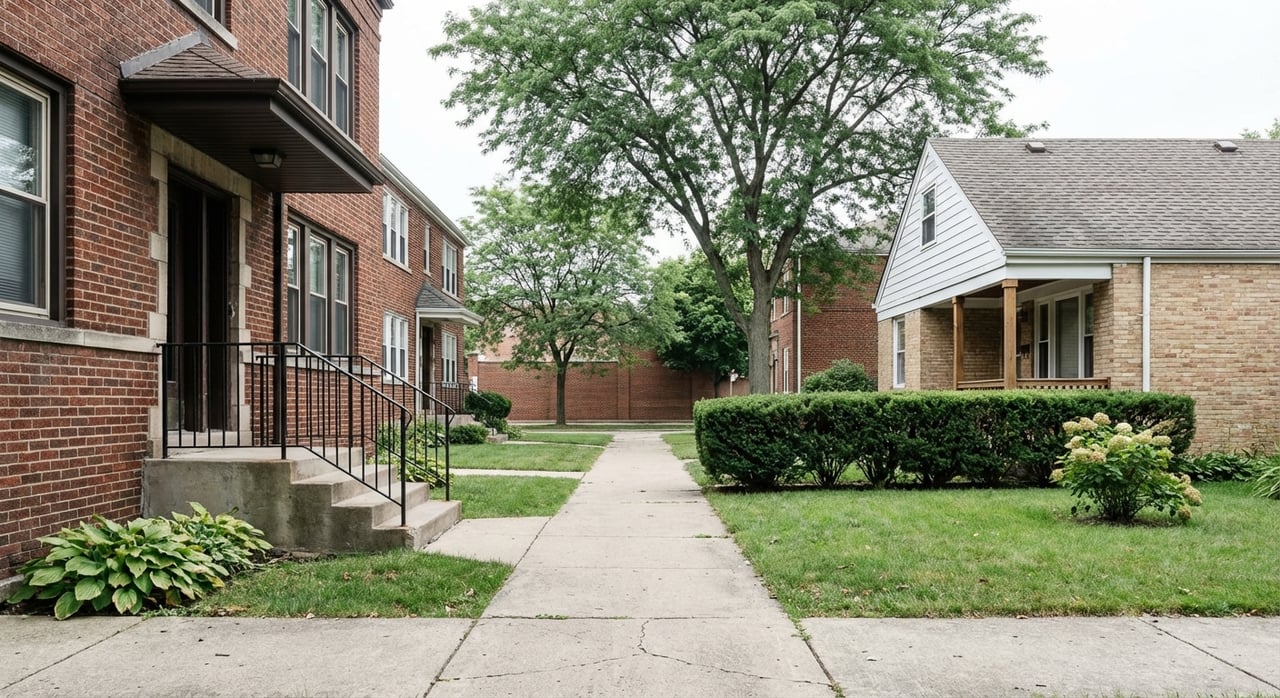
Trying to decide if you should stay in a South Side Chicago neighborhood or make the move to a nearby southwest suburb? You are not alone. Many buyers and downsizers weigh the same tradeoffs around space, commute, and ongoing costs. In this guide, you will get a clear, side‑by‑side look at housing types and price ranges, daily transit realities, lifestyle and services, and a simple checklist to make a confident choice. Let’s dive in.
South Side vs suburbs at a glance
Choosing between the city and the suburbs often comes down to what you value most day to day. South Side neighborhoods generally offer a wider mix of condos, apartments, and 2–4‑flats at accessible price points, along with strong transit access and walkable pockets. Nearby southwest suburbs typically deliver larger single‑family homes, private yards, driveways or garages, and a car‑friendly setup.
Consumer portals commonly show South Side medians in the low to mid $200ks, with higher pockets like Hyde Park and Beverly and many affordable ZIPs farther south. In the suburbs, medians often fall from the mid $200ks into the low to mid $400ks depending on the town. Use recent closed sales from the local MLS to verify a current range before you act.
Housing types and price ranges
What you will find in South Side neighborhoods
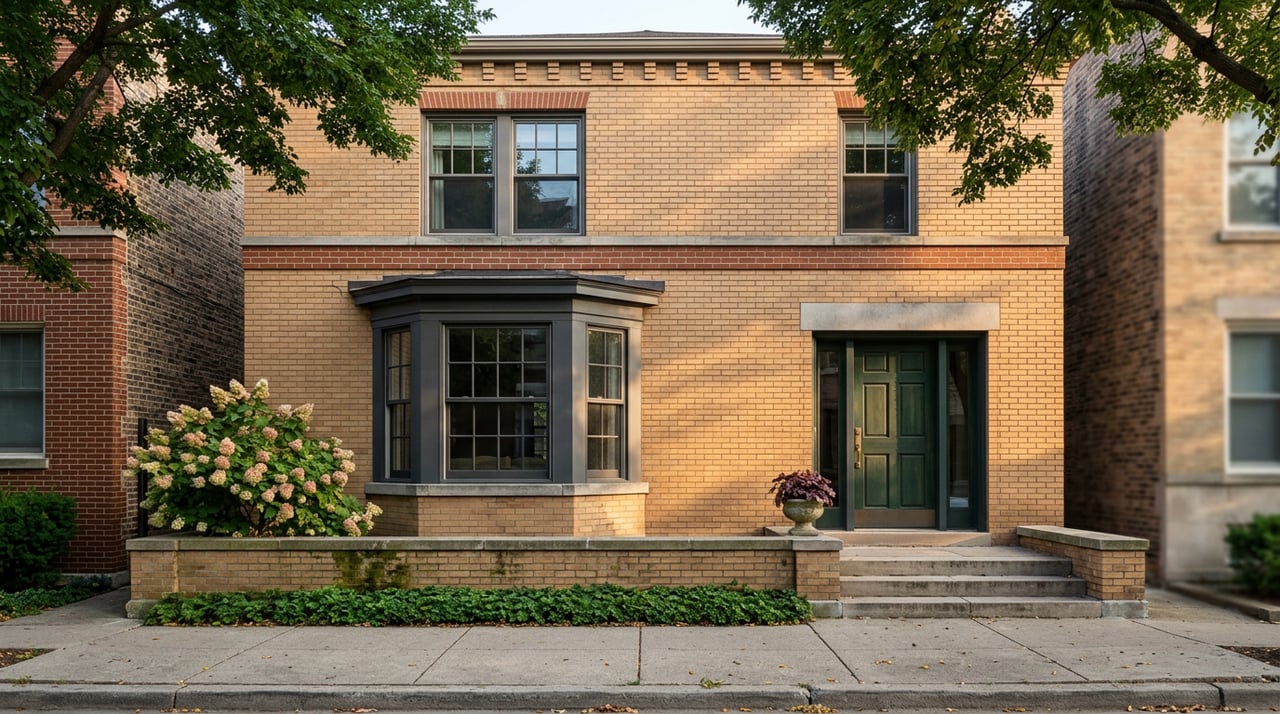
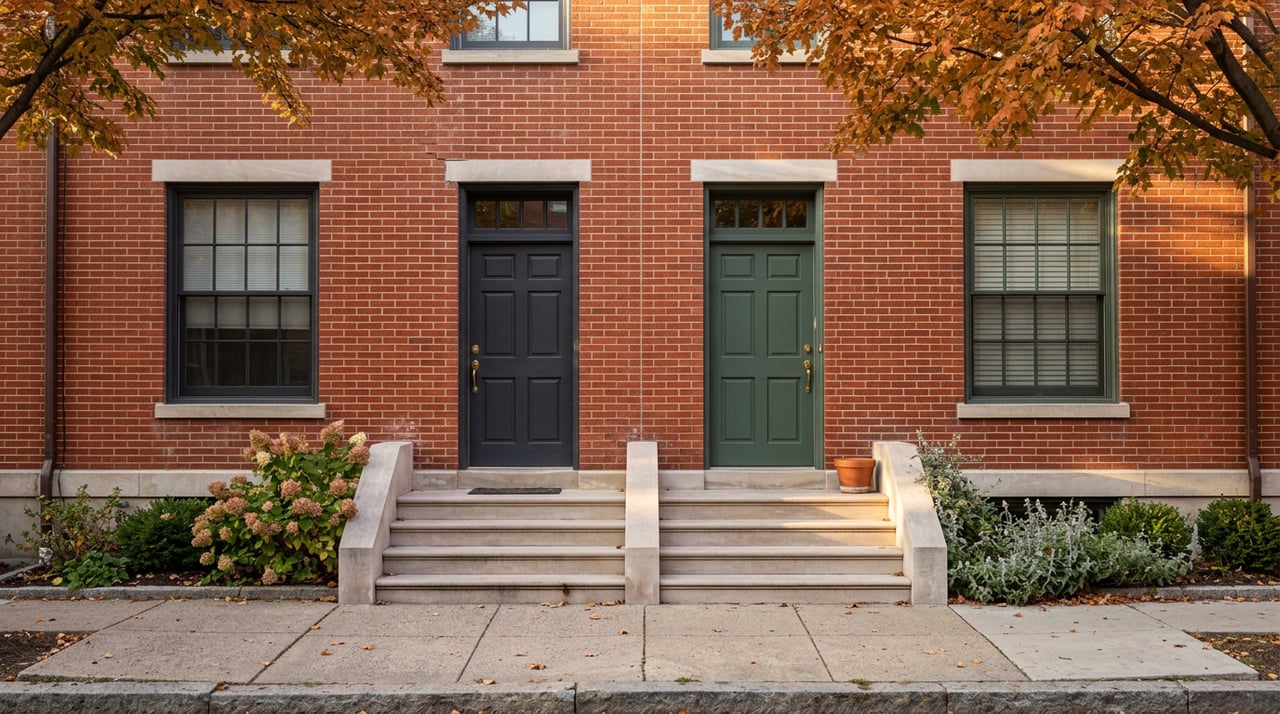
Many South Side ZIP codes include a higher share of multi‑unit buildings and condos alongside historic single‑family homes and new infill. That mix can be a plus if you want a smaller footprint, shared amenities, or elevator access. In Hyde Park, for example, you will see a range of condos and single‑family homes near major anchors. In Beverly, the housing stock skews toward larger single‑family homes and tree‑lined streets.
If you are cost‑sensitive, some Far South and West South Side areas often report lower medians with more multi‑family options. Always compare recent closed sales and neighborhood‑level comps to get a clear picture of value on your target blocks.
What you will find in the southwest suburbs
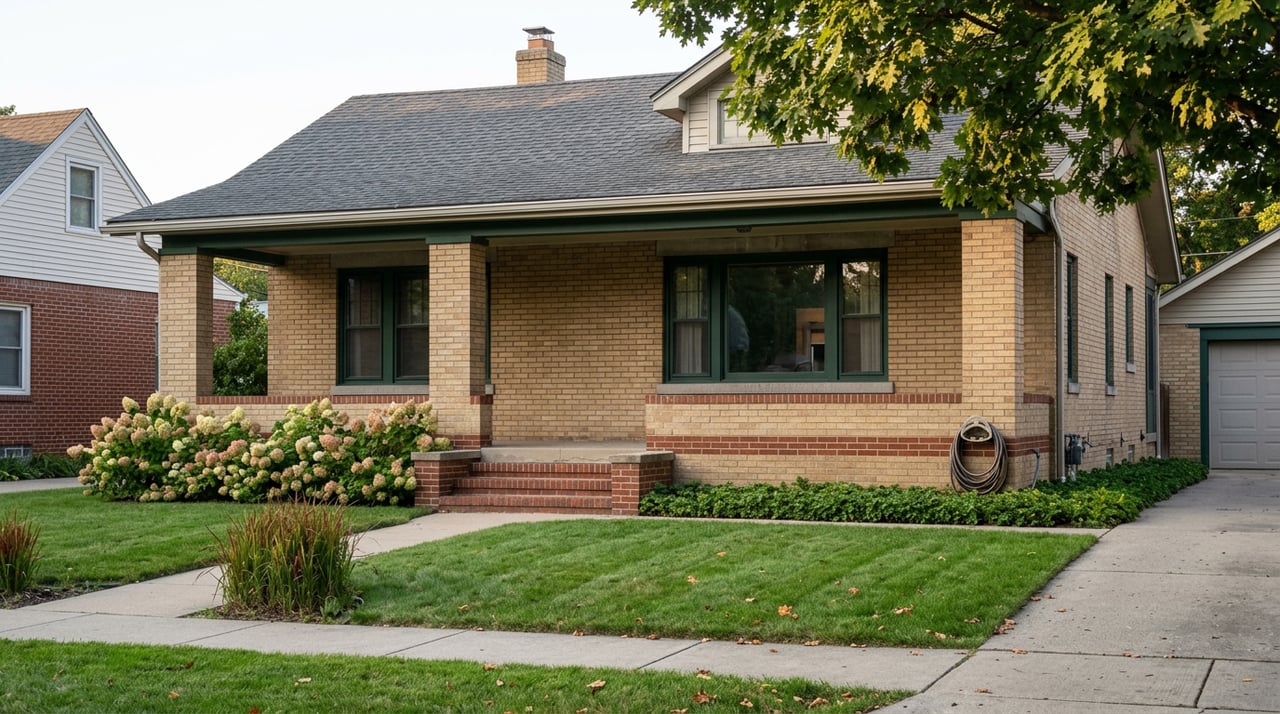
Nearby suburbs like Oak Lawn, Evergreen Park, Oak Forest, Tinley Park, Orland Park, and Palos Heights are dominated by single‑family homes. You will also find townhomes in some subdivisions. Lots are larger than typical city parcels, and older ranch homes can be great for one‑level living.
Medians commonly land in the mid $200ks to mid $300ks for towns like Oak Lawn, Tinley Park, and Orland Park, with Palos Heights often higher. Exact figures shift with inventory and interest rates, so confirm with a recent 90 to 180‑day MLS snapshot.
Why home type matters
- City options often mean fewer stairs, elevator buildings, and smaller private outdoor spaces. That can cut maintenance and support aging in place.
- Suburban options usually provide more bedrooms on a single level, a garage, and a private yard. That can add maintenance time but may deliver the space you want.
- In both settings, review HOA rules, monthly assessments, and any rental caps carefully if you are considering a condo or townhome.
Commute and transit realities
CTA access from the South Side
If you value frequent, flexible transit, many South Side neighborhoods offer an edge. The CTA Red Line runs 24 hours and is a fast spine into the Loop for neighborhoods within walking or bus distance. The Green and Orange Lines connect specific South and Southwest corridors and help keep off‑peak trips predictable.
Metra access from the city and suburbs
Metra’s Rock Island District serves the South Side and nearby suburbs with a one‑seat ride to LaSalle Street Station. The line includes a Beverly branch that offers multiple local stops. Schedules are less frequent than CTA, but you will usually get a seat and consistent travel time during rush hour. Learn more about the route on the Rock Island District overview.
Southwest suburbs like Oak Lawn, Orland Park, and Palos Heights are served by the Metra SouthWest Service to Union Station. Expect a park‑and‑ride routine and longer gaps between trains than CTA rapid transit. If you work downtown and plan to drive to a station, measure the whole door‑to‑desk time, including parking and the last mile.
Transit projects to watch
The planned CTA Red Line Extension from 95th to 130th will add new Far South Side stations and could change commute patterns and real estate dynamics along the corridor over time. If you are comparing city and suburb addresses near the alignment, keep this future option on your radar.
Lifestyle and everyday services
Walkability and errands
Walkability varies widely across the South Side. For example, Bridgeport earns a strong Walk Score that reflects daily convenience for errands and dining. See the Bridgeport Walk Score summary for a sense of what a very walkable pocket looks like. Beverly is more residential and moderately walkable. Most southwest suburbs are car‑oriented, with larger shopping centers, regional malls, and plentiful parking.
Health care access
Health care is strong in both settings. On the South Side, Hyde Park is home to the University of Chicago Medical Center, a major academic hospital. In Oak Lawn, Advocate Christ Medical Center anchors care for many southwest suburbs. If medical access ranks high for you, map door‑to‑door travel times for likely appointments.
Cultural and recreation
In the city, you have easy access to major institutions like the Museum of Science and Industry, lakefront parks, and the University of Chicago campus area. In the suburbs, you trade that density of museums for forest preserves, park district programs, and car‑friendly shopping hubs.
Property taxes and recurring costs
Monthly payments are more than principal and interest. Property taxes and assessments can change your total cost by hundreds of dollars per month. Cook County’s recent reassessment cycles produced notable tax changes in several south and southwest suburbs. Before you buy, review a sample tax bill and the home’s taxing districts, and look at recent changes highlighted in county tax reporting.
If you are considering a condo or townhome, request the latest HOA budget, reserves, and any planned capital projects. For single‑family homes, factor in yard care, snow removal, and typical maintenance for roof, windows, and mechanicals.
Downsizing and aging‑in‑place tips
If you are downsizing, focus on function first. The Harvard Joint Center for Housing Studies notes that many existing homes lack key accessibility features. For deeper context, review the JCHS overview on older‑adult housing needs here. Pair that with a practical home‑fit checklist from AARP as you tour.
Use this quick checklist to compare options:
- Count true single‑floor living spaces. Aim for a bedroom, full bath, and laundry on one level.
- Check entry access. Look for few or no steps and wide interior doorways.
- Confirm bathroom layout. Space for grab bars and a step‑in shower is a plus.
- Assess maintenance. Yard size, snow exposure, and exterior materials all affect effort and cost.
- Review HOA rules and fees. Note pet rules, rentals, elevator maintenance, and reserve strength.
- Map medical access. Time the trip to your preferred providers.
Mini snapshots: city and nearby suburbs
Use these quick profiles to focus your search. Always verify current pricing with recent closed sales.
Hyde Park
Cultural anchors, lakefront access, and a strong mix of condos and single‑family homes. Transit and walkability are strong in many sections. Medians often sit in the mid $200ks on consumer portals, with wide variation by property type and street.
Bronzeville and Near South Side
Active redevelopment with mid‑rise condos and townhomes alongside historic stock. Pricing varies sharply by block and building. Proximity to the Loop and lakefront trail is a draw.
Bridgeport
Very walkable in many areas with restaurants, parks, and new construction mixed with classic two‑flats. Home values trend higher than many Far South neighborhoods and vary by location and finish level.
Beverly
A city single‑family area with larger lots and a range of architectural styles. A good fit if you want a detached home without leaving Chicago. Medians are often higher than many South Side neighborhoods.
Oak Lawn
Suburban single‑family homes with easy car access and a strong hospital presence. Park‑and‑ride Metra is a common commute pattern. Medians often land in the mid $200ks in recent snapshots.
Evergreen Park
Immediately adjacent to Chicago with a small‑town feel and suburban lots. Pricing often clusters near the low $300ks depending on the month and inventory.
Oak Forest
Predominantly single‑family with modest lots. A value play if you want more space and a backyard without stretching the budget.
Tinley Park and Orland Park
Popular with commuters and known for park systems and retail. Median prices often fall in the low to mid $300ks with a broad range of home ages and styles.
Palos Heights
A quieter market with larger lots and many single‑family options. Medians commonly run higher, often in the upper $300ks.
How to choose with confidence
Use a simple, step‑by‑step approach to compare your top city and suburb picks:
- Set hard limits. Decide on your maximum all‑in monthly payment, including taxes, insurance, and any HOA fees.
- Define non‑negotiables. List items like single‑floor living, a garage, or transit access.
- Run commute trials. Test two weekday trips for each address, both morning and evening. Use CTA schedules or Metra schedules to plan, and track door‑to‑desk time.
- Pull real numbers. Review a sample tax bill and any HOA documents. Watch for reassessment impacts flagged in recent reporting.
- Inspect for fit. Use AARP’s checklist to gauge accessibility and maintenance needs now and later.
A local partner for city↔suburb moves
The best decision blends data with on‑the‑ground experience. A dual‑market agent can plan paired showings, run net‑cost comparisons that include taxes and HOA fees, and coordinate commute trials so you feel the real‑world tradeoffs. When you are ready to compare your options on the South Side and in the southwest suburbs, schedule time with Tina Hollins (TH Consulting Firm, LLC) to map out a plan that fits your budget, commute, and lifestyle.
FAQs
What are typical South Side home prices?
- Consumer portals often show a broad South Side median in the low to mid $200ks, with higher medians in areas like Hyde Park and Beverly. Verify with recent 90 to 180‑day MLS sales.
How does the South Side commute compare to suburbs?
- Many South Side addresses near CTA rail offer faster, more frequent trips into the Loop. Suburbs rely more on park‑and‑ride Metra service with less frequent schedules but predictable rush‑hour travel times.
Are property taxes higher in south suburbs?
- It varies by town and taxing districts. Recent Cook County reassessments produced notable changes in some south and southwest suburbs, so always review a sample tax bill and recent history.
What should downsizers prioritize when touring homes?
- Focus on single‑floor living, step‑free entries, bathroom layout, elevator access for condos, and total maintenance needs. Use JCHS and AARP guidance as your checklist.
Will the CTA Red Line Extension affect home choices?
- The planned Red Line Extension to 130th will add stations and could improve access on the Far South Side over time. If you are comparing addresses near the corridor, factor the project into your long‑term plan.