Drive past 115th and Halsted in Morgan Park and you already know the lot. The chain-link fence has been there long enough that nobody remembers exactly when it went up. The Jewel-Osco closed. The mall behind it, Halsted Indoor Mall, came down. For roughly sixteen years, the twelve-plus acres on that corner have done nothing but sit, weeds pushing through the old parking lot seams, while every few years a new rendering circulates and nothing changes.
This fall, something actually starts. But if you have half-followed the news on this site over the past year, you have probably assembled it into one story in your head, a single big project finally moving. That is not quite right. What is landing on that corridor this fall is three separate projects, run by different teams, funded through different mechanisms, converging on the same season almost by coincidence. Understanding that they are three things, not one, is the difference between watching a slow trickle of activity and knowing what you are actually looking at when the fencing changes and new crews show up on different blocks at the same time.
The corner itself: Morgan Park Commons
The biggest piece is Morgan Park Commons, led by the nonprofit Far South Community Development Corporation with DL3 Realty as co-developer and Preservation of Affordable Housing handling the residential phase. Lamar Johnson Collaborative designed it. The Chicago Plan Commission approved the first phase in late 2025, the City Council followed in December, and the development team has said construction on Phase 1 should start this fall once financing closes.
Phase 1 alone runs about $65 million. It is two mixed-use buildings along Halsted, split by a new extension of West 114th Place that will reconnect the site to the city street grid for the first time in over a decade, along with a new stretch of South Peoria Street. Between the two buildings there are 70 apartments, a mix of studios, one-bedrooms, and two-bedrooms, plus ground-floor retail space, a fitness center, a community room, and two live-work units with their own storefronts facing Halsted. A small pedestrian plaza marks the entrance off Halsted itself.
That is only the first phase. The fuller plan for the site, still to come in later phases, includes a performing and culinary arts center and roughly two acres of new park space designed to connect to the Major Taylor Trail, the bike and running path that already threads through Morgan Park a few blocks away. Far South CDC president Abraham Lacy has been working on this site since 2018. At the Plan Commission hearing, Department of Planning and Development Commissioner Ciere Boatright put it plainly: "It's been a long time coming."
A few blocks over: four three-flats on Loomis and Glenroy
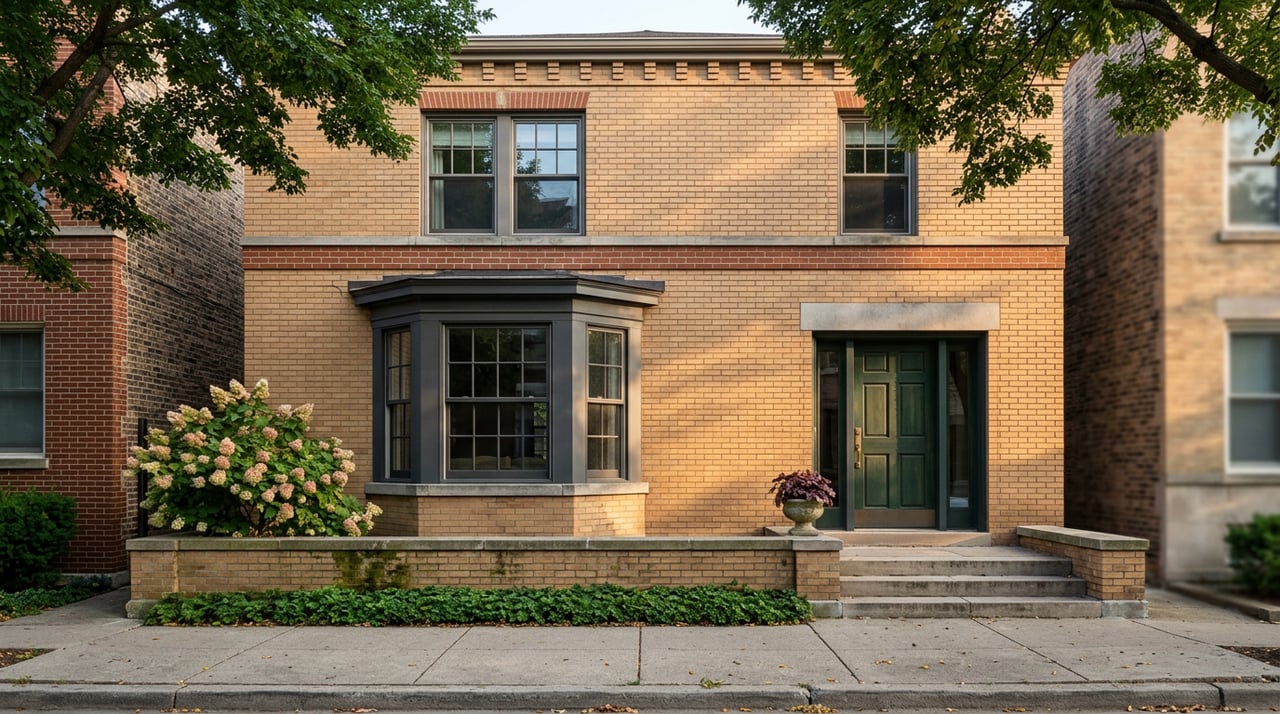
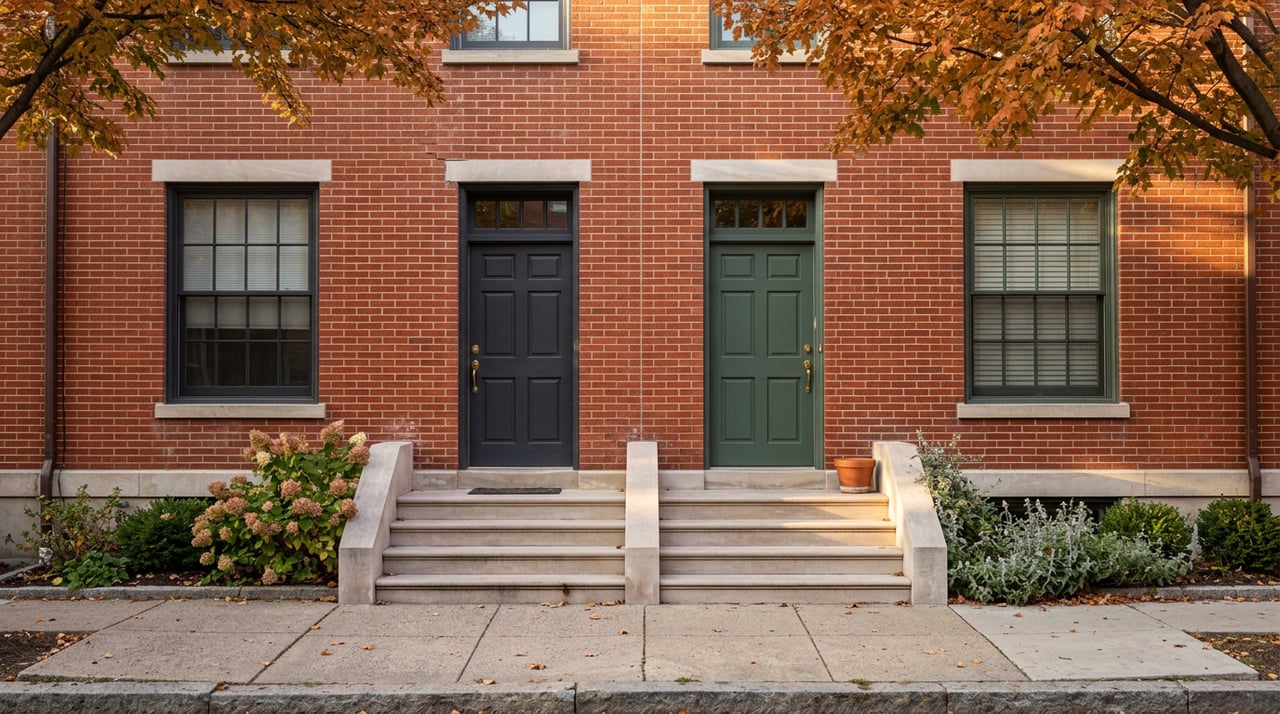
The second project is smaller, separate, and easy to miss if you are only watching the big corner. Through the city's Missing Middle Infill Housing Initiative, Far South CDC is also building four three-flats, twelve units total, on the 10700 blocks of South Loomis Street and South Glenroy Avenue. The city sold those four lots to the developer for a dollar each, part of a program that pairs vacant city-owned land with construction funding of up to $150,000 per unit.
These are not rentals. Each finished building is meant to be sold to an owner-occupant, and each unit runs about 1,100 square feet with three bedrooms and two bathrooms, built all-electric. Kimberly Morris, Far South CDC's vice president of real estate development, described the goal directly: "It's greatly needed in neighborhoods like Morgan Park that are trying to repopulate and are trying to offer a variety of different types of housing typologies that currently don't exist." The City Council approved the land sale earlier this year, and the team has said they plan to break ground this fall, the same season as the Halsted corner but on a completely different block, funded through a completely different city program.
Across the street: Maple Park Marketplace
The third piece sits directly opposite the Morgan Park Commons site, at the same intersection. Maple Park Marketplace, anchored by an Aldi, occupies the corner that connects Morgan Park, West Pullman, and Roseland. Far South CDC has been working on a redevelopment of that plaza too, including the former Aldi and Walgreens footprints, with plans for a new dine-in restaurant, a health center, and additional grocery space. It is a smaller story than the twelve-acre project across the street, but it means the corner's activity will not be limited to one side of Halsted.
Why it looks like one thing but isn't
None of these three projects share a developer's construction schedule, a lender, or a City Council vote. What they share is timing, and that timing is mostly a matter of parallel approvals landing in the same window. Morgan Park Commons cleared City Council's rezoning approval in December 2025, and the Community Development Commission signed off on $5 million in TIF funding for the project in May 2026, one of the last funding pieces the developer needed before closing on construction financing. The Missing Middle three-flats cleared their own land sale through City Council in the spring of 2026. Both teams, independently, pointed to fall 2026 as their start date. If you only read the headlines as they came out over the past year, month by month, it would have been easy to think you were tracking one slow-moving project instead of three unrelated ones that happen to be arriving at once.
For a neighborhood that has watched this specific corner sit empty since before some current residents moved in, the practical effect will look the same either way: fencing changes, equipment shows up, and dust starts moving on a corner that has not seen a shovel in over a decade. But knowing it is three projects, not one, tells you something useful. It means the pace of visible change this fall will likely outrun what a single developer's timeline alone would produce, because three separate crews are working on three separate blocks at the same time. It also means delays on one project, a financing hiccup at Morgan Park Commons, say, do not necessarily delay the others. The three-flats on Loomis and Glenroy answer to a different funding source and a different timeline entirely.
What to actually expect this fall
A few things worth knowing if you live near the corridor:
- The Halsted side will see the most visible activity first, since Phase 1 of Morgan Park Commons includes full site development across the old Jewel and mall footprint, meaning underground utility work and new street construction before the buildings themselves rise.
- The Loomis and Glenroy lots are residential infill on a much smaller footprint. Expect four individual construction sites rather than one large staging area.
- The retail build-out at Maple Park Marketplace is running on its own schedule, separate from both housing projects, so a slower or faster pace there does not tell you anything about progress at the twelve-acre site across the street.
- The full build-out of Morgan Park Commons, including the arts center and park connecting to the Major Taylor Trail, is a later phase. Phase 1 is buildings and streets. The park and cultural space come after.
If you want to track any of this directly, Far South CDC posts updates on its own projects, and the alderman's office for the 21st Ward, which covers this stretch of Halsted, has been the point of contact through each approval stage.
Why this corner mattered enough to wait for
Sixteen years is a long time for a twelve-acre corner to sit empty in any neighborhood, and Morgan Park residents have had a front-row seat to every failed timeline along the way, including a brief 2023 proposal to use the site as temporary shelter space that never materialized before the city bought out Albertsons' share of the land for a dollar. What is different this time is that three separate funding structures, a TIF-backed mixed-use deal, a city land-sale infill program, and a private retail redevelopment, have all cleared their approvals in roughly the same twelve months. That is not a single developer's momentum. It is three different processes finishing at once, which is a much better sign for a corner that has outlasted more than one single-developer promise already.
If you are watching this corridor change and thinking about what it means for your own house, your street, or a move within the neighborhood, that is a conversation worth having with someone who tracks this corridor block by block, not just headline by headline. Tina Hollins has been following Morgan Park and the wider South Side market closely. Schedule a consultation to talk through what a changing corner like this one actually means for property values, timing, or your next move.