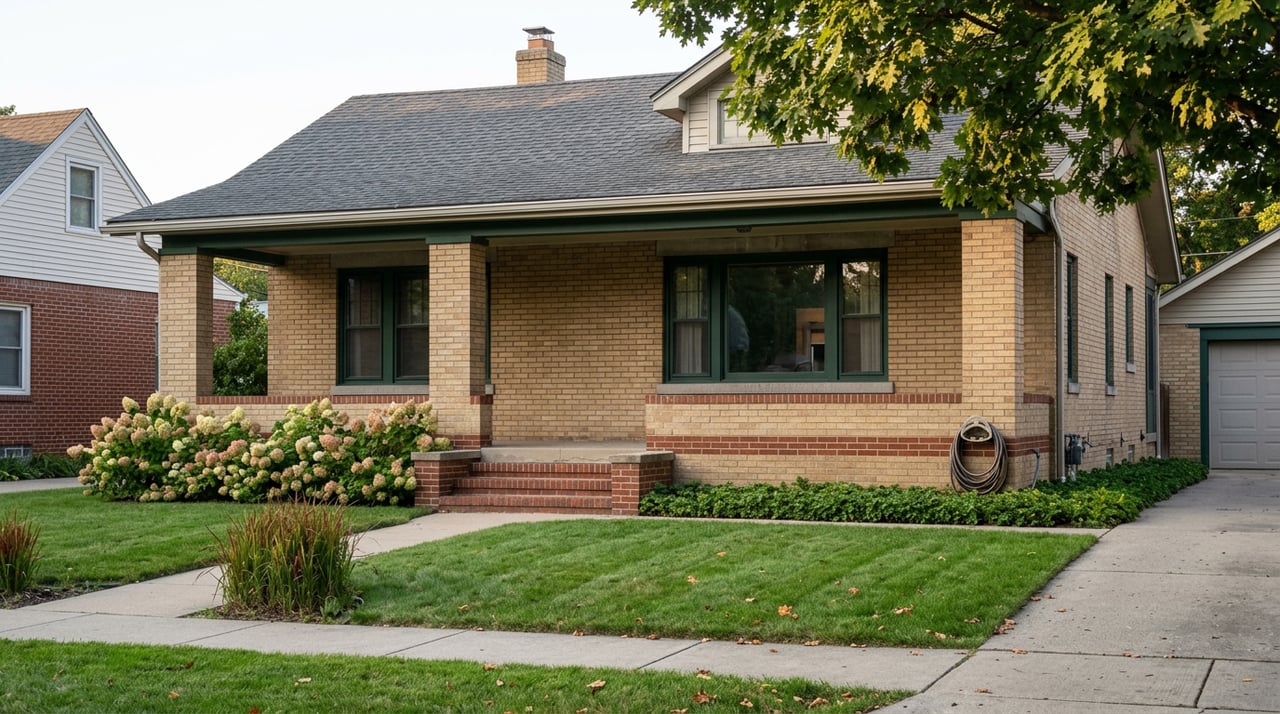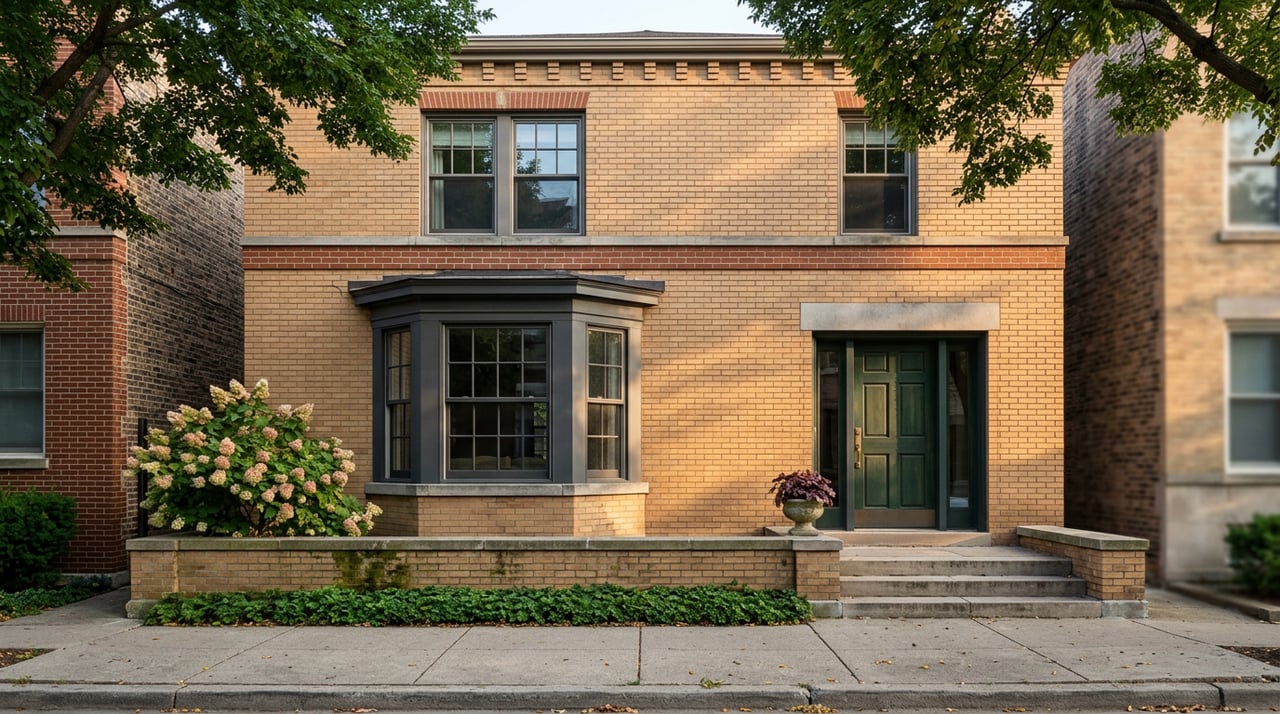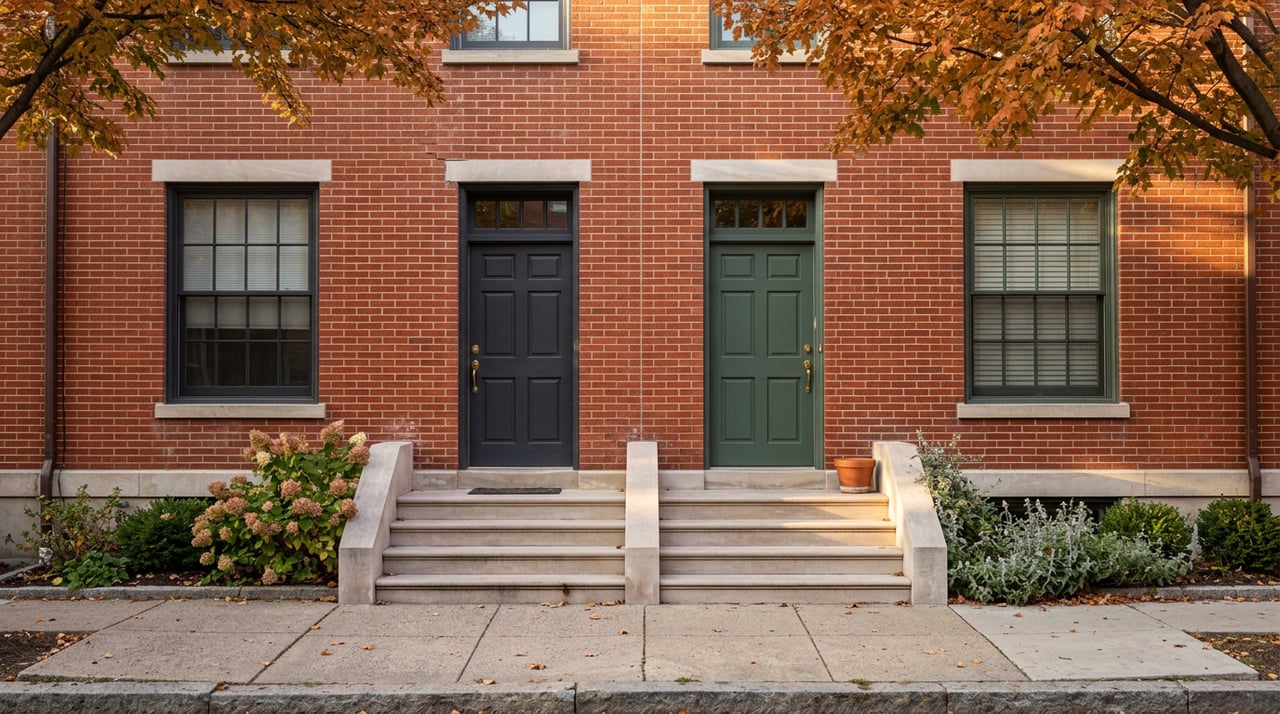
Pullman is the only Chicago neighborhood where the annual house tour and your regular Saturday walk cover the same twelve blocks. That is the argument for living here, and October is the month it stops being theoretical.
If you already own on Champlain, St. Lawrence, or Langley, you know the drill. The second weekend brings out-of-town guests, folding chairs on porches, and residents stationed at their own front doors talking about lintels and load-bearing walls. What newcomers miss is how tightly that weekend fits into a season that never really lets up between Argtoberfest in September and the last First Sunday walking tour of the year.
The thesis for anyone thinking about a Pullman fall: the neighborhood's October is not a slate of unrelated events. It is one continuous 2.5-square-mile program you happen to live inside.
The Weekend That Actually Anchors The Month
The 53rd Annual Historic Pullman House Tour runs Saturday, October 10 and Sunday, October 11, 2026, presented by Friends of Pullman National Historical Park at the Pullman Exhibit Hall. Hours are 11 a.m. to 5 p.m., self-guided, and tickets are available in advance or at the Exhibit Hall the day of.
What the tour looks like on the ground has stayed remarkably consistent. Ticket holders take a self-guided walking route through roughly seven private homes representing an array of 1880s residential styles, chosen to depict the different residents who lived here during Pullman's industrial heyday, from workers' cottages to executive homes. The event has been a local favorite for more than 50 years, first held in 1973, which makes it one of the oldest continuous house tours in the city.
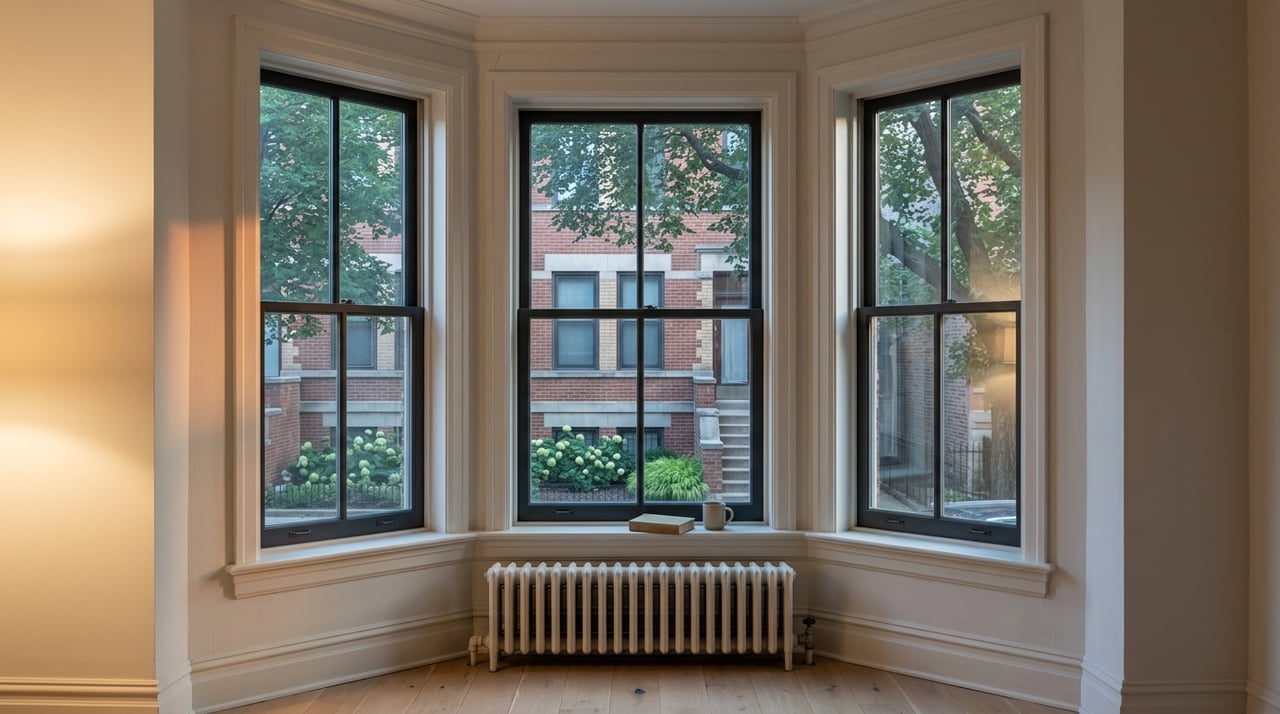
For homeowners, the tour weekend is worth mentally circling for two practical reasons beyond the obvious. First, it is the one weekend a year when your own street becomes a lightly moderated open house. Second, it is a rare chance to see how neighbors solved the specific problems your house also has: kitchen additions inside masonry that will not forgive a wrong cut, stair runs squeezed between original party walls, mechanicals routed around plaster you cannot replace.
What The 12 Blocks Actually Contain
Everything below sits inside the Landmark District, and most of it is a comfortable walk from the Exhibit Hall.
- Pullman National Historical Park Visitor Center — housed in the Administration Clock Tower Building at 610 East 111th Street, per the National Park Service. This is the orientation point if a guest has never been.
- A. Philip Randolph Pullman Porter Museum — explores African American labor history at the site that was, at one time, the nation's largest employer of African Americans.
- Greenstone Church — the serpentine-stone church on Cottage Grove that doubles as an event venue during Railroad Days and other Friends of Pullman programming.
- Arcade Park — the small square that anchors the residential grid and functions as the neighborhood's living room during festival weekends.
- Hotel Florence — the 1881 hotel building whose ongoing preservation work is visible from the sidewalk.
- Historic Pullman Foundation — runs guided walking tours the first Sunday of the month, May through October, plus the annual house walk in October. The October First Sunday is the low-key preview to House Tour weekend.
The neighborhood was designated an Illinois Historic District in 1969, a National Historic Landmark District in 1970, a Chicago Landmark District in 1972, a National Monument in 2015, and part of the African American Civil Rights Movement designation in 2019. The upshot for a resident is that the guardrails on what a neighbor can do to a facade are unusually well documented, which is a feature rather than a nuisance when you own here.
Where To Eat Between Loops
The food question is where Pullman quietly separates itself from most Chicago historic districts. Most preserved neighborhoods send you back to your car for lunch. Here, the corner of 111th and Doty is a walk.
One Eleven Food Hall opened in the 111th Gateway Retail Center as the first food hall in Chicago south of Chinatown, and it has settled into a rotation that residents actually use. The hall functions as an incubator for small South Side producers and currently houses Majani, whose menu sources ingredients from nearby farms; Lexington Betty Smokehouse for rib tips and pulled pork; and AndySunflower Cafe, where owner Andrea O. Robinson serves coffee and her signature peach mint iced tea. The hall was notable when it opened as the only one in Chicago led by an all African-American team of chefs.
Across the tracks, the Pullman Cafe handles the sandwich-and-slice side of the same day. It is the kind of place where staff will walk you outside to point at art the neighbors have hung in the alley, which is the sort of exchange that never happens in a downtown lunch room.
The September Warmup You Should Plan Around
If October is the destination, September is the on-ramp, and Argus Brewery is the reason.
Argus sits on the old Schlitz Row stables in Pullman. Its Argtoberfest lands each September with bands, food, and the brewery's own beer, and it functions as the first excuse of the season for a full-neighborhood walk that ends with a pint. The tours themselves are worth booking for anyone who has hosted guests here more than twice. Nick, the brewery's historian, works Pullman history, Schlitz Row, and the building itself into the tasting, which is how you end up learning about your own alley from a beer glass.
The 2026 Context You Can Actually Feel
The bigger frame around this year's fall calendar is the railroad centennial. When the switch was flipped in 1926, Chicago's civic and business leaders celebrated with one of the largest multi-day events in the city's history; the electrification cleaned Chicago's air, moved commuters faster and more safely, and transformed South Shore service for riders coming in from Northwest Indiana. The Friends of Pullman have been pushing that thread all year through Railroad Days programming.
The part that matters for a Pullman homeowner is not the anniversary itself but the second-order point the Friends have made explicit: the Pullman-built cars that powered the new electric system sparked real estate development across the South Side and southern suburbs, turning prairies into thriving communities. The street grid you walk in October exists because of the industrial project the museums are describing. That is a rare kind of coherence between built environment and civic story, and it is the reason the House Tour is not a costume event.
A Compact October You Can Actually Screenshot
| When | What | Where |
|---|---|---|
| First Sunday of October | Historic Pullman Foundation walking tour | Meet at 11141 South Cottage Grove |
| Sat Oct 10, 11 a.m.–5 p.m. | 53rd Annual Historic Pullman House Tour, Day 1 | Historic Pullman Exhibit Hall |
| Sun Oct 11, 11 a.m.–5 p.m. | House Tour, Day 2 | Same |
| Any Saturday | One Eleven Food Hall lunch loop | 111th Gateway Retail Center |
| Any weekend afternoon | Visitor Center orientation film for guests | Administration Clock Tower Building, 610 East 111th Street |
The distances between those pins are short enough that a single afternoon can absorb three of them without a car.
What This Says About Owning A House Here
The reason to lay the season out this way is not to advertise events. It is to make a point about the housing stock most residents already know but rarely say out loud.
A Pullman house is inside the program. The house tour is not something the city drops on top of the neighborhood. It is the neighborhood inspecting itself in public, once a year, with the same masonry, the same lintels, and largely the same floor plans that were here in 1881. Owning here means the maintenance decisions you make are legible to your neighbors, and the maintenance decisions they make are legible to you. That reads as pressure to some buyers and as insurance to others. For anyone weighing a Pullman purchase against a similarly priced brick two-flat in another south-side neighborhood, it is the variable that does not show up on a listing sheet.
The other variable that does not show up on a listing sheet is walkability of the specific kind Pullman offers. Not the density-and-transit walkability of a north-side corridor, but the compressed-historic-district version where a 2.5-square-mile Pullman National Historical Park holds the visitor center, the porter museum, the food hall, the brewery, the church, and the park inside a radius you can cover in sneakers. When people who have lived here for twenty years say Pullman is a small town inside Chicago, this is the geometry they mean.
October is the month that geometry is loudest. Block it on the calendar the way you would block a family visit, because it is one.
When You Want To Talk About A Pullman Move
If you already live here and a neighbor has asked what their brick cottage might list for after the tour, or if you have been walking the district as a prospective buyer and want a candid read on which streets fit your budget and your renovation appetite, that is a conversation worth having in person. Tina Hollins works the south-side market as a single-agent practice backed by Coldwell Banker's marketing platform, with a specific interest in the historic housing stock south of 95th. Schedule a Consultation when you are ready to put numbers on the walk you have been taking anyway.