Thinking about buying one of Chicago’s classic brick homes? You are not alone. These homes stand out for their character, solid feel, and strong connection to the city’s history, but they also come with ownership realities that can surprise buyers who are used to newer construction. If you want to understand what daily life, maintenance, and long-term value really look like in a vintage brick home, this guide will help you walk in with clear eyes. Let’s dive in.
What Counts as a Vintage Brick Home?
In Chicago, “vintage brick home” can mean a few different property types. Two of the most recognizable are the Chicago bungalow and the two-flat, both of which are a major part of the city’s housing story.
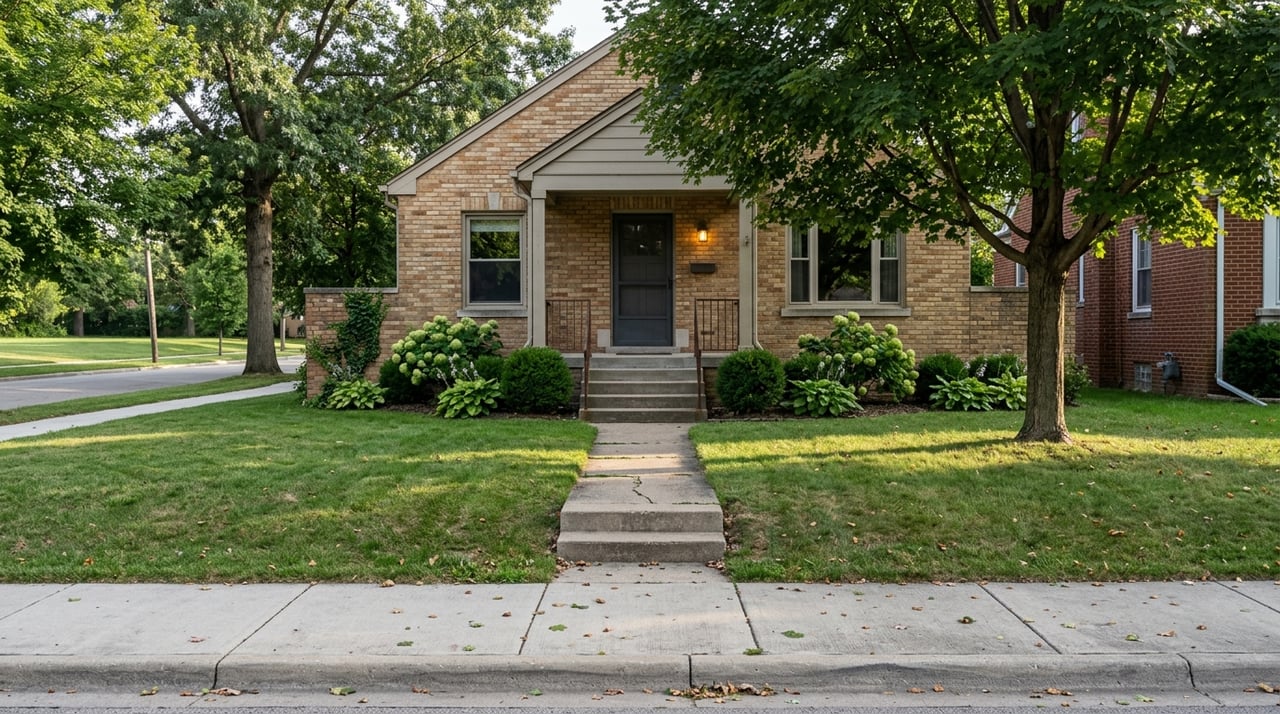
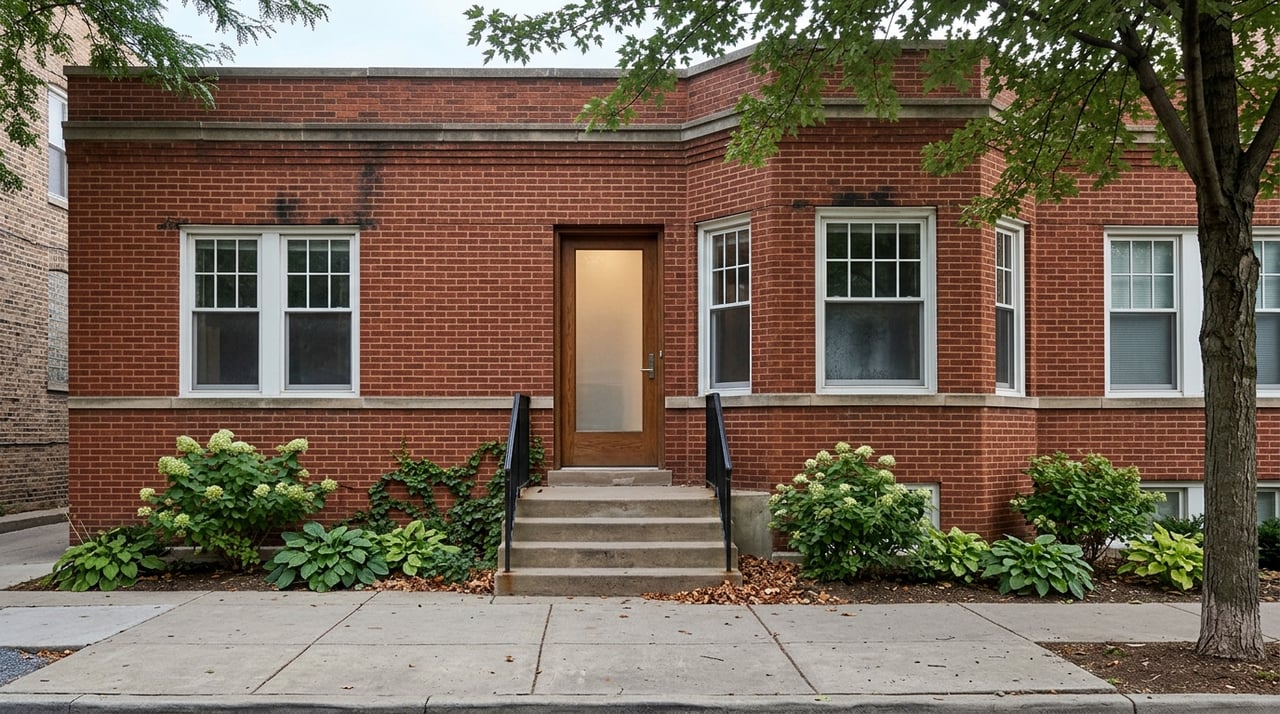
The Chicago Bungalow Association describes the bungalow as a brick home that is typically 1.5 stories over a full basement, with a low-pitched roof, porch, large windows, and a rectangular footprint. The Chicago Architecture Center notes that two-flats are usually two-story buildings with one apartment on each floor and a brick or greystone front.
These homes are common for a reason. The Chicago Bungalow Association says more than 80,000 bungalows still stand in the city, and the Chicago Architecture Center says two-flats, four-flats, and six-flats make up more than 30% of Chicago’s housing stock.
Why Buyers Love These Homes
A vintage brick home often gives you something newer homes struggle to match: a strong sense of place. Many buyers are drawn to the craftsmanship, the natural light, the street presence, and the practical layouts that were designed for city living.
Chicago bungalows were built to fit narrow city lots, often around 25 to 30 feet wide and 125 feet long. That design created homes that feel efficient and functional, with usable indoor space and room to grow over time.
Many original bungalows were sold with unfinished attics, which gave owners the option to expand later. That means you may find a home that works well now while still offering future potential.
What Daily Living Feels Like
Living in a vintage brick home usually feels different from living in newer suburban construction. These homes tend to feel compact, grounded, and practical rather than oversized.
In many bungalows, the original idea was simple living on one main floor, with the attic available for later finishing. In two-flats, you often get features like bay windows and a strong connection to the street, which can make the home feel bright and visually distinctive.
That day-to-day experience is part of the appeal. You may not get sprawling open-concept space, but you often get a layout that feels livable from day one and adaptable over time.
Chicago Climate Changes the Equation
Chicago weather plays a big role in how these homes perform. According to NOAA climate normals for Chicago Midway, the city has an annual mean temperature of 52.4°F and average snowfall of 38.8 inches.
That matters because features like air sealing, heat retention, and basement moisture are not small issues here. In a vintage brick home, comfort often depends less on flashy updates and more on how well the home manages winter air, water, and older building materials.
If you are touring homes, pay close attention to signs of drafts, uneven heating, and moisture in lower levels. In Chicago’s climate, those details can shape both your monthly comfort and your long-term maintenance budget.
Heating Systems May Feel Different
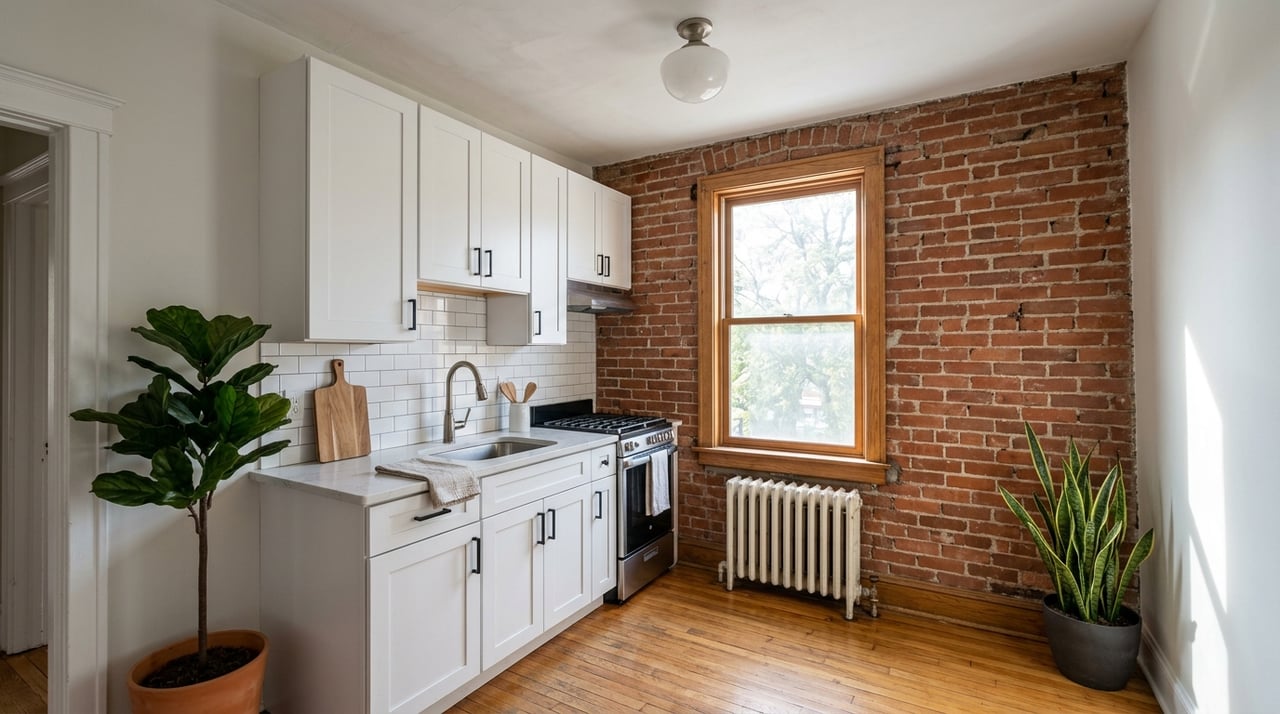
One of the biggest adjustments for buyers is often the heating system. The Chicago Bungalow Association notes that many period homes used boilers, radiators, and piping, and that steam heat can be efficient when properly maintained.
If you are used to forced air, radiators may seem outdated at first. In practice, they can provide excellent comfort, but the system needs to be understood and maintained correctly.
This is one area where education matters. A heating system that looks old is not always a problem, but a neglected one can become expensive.
Brick Is Durable, Not Maintenance-Free
Buyers often hear “brick home” and assume low maintenance. Brick is durable, but historic masonry still needs care.
The National Park Service says masonry should be repointed when you see signs like disintegrating mortar, loose bricks, damp walls, or damaged plaster. It also notes that replacement mortar should match the historic mortar in strength, composition, color, and texture.
That last point matters more than many buyers realize. Mortar that is too hard can damage historic brick over time, especially when materials expand and contract differently.
Moisture Is the Biggest Long-Term Risk
For many vintage brick homes, water is the issue that deserves the most attention. The National Park Service identifies water, salts, and freeze-thaw cycles as common causes of brick cracking and spalling.
In Chicago, that means you should pay close attention to:
- Roof leaks
- Clogged gutters
- Parapet problems
- Poor flashing
- Bad drainage around the home
- Signs of basement moisture
The Chicago Bungalow Association also points buyers toward basement-flooding guidance because older homes with basements can be affected by Chicago’s combined sewer system. A home can be beautiful above grade and still have costly water-related issues below it.
Windows Deserve a Closer Look
Old windows are a common concern in vintage homes, but replacement is not always the best answer. The National Park Service says historic windows can often be repaired or upgraded for better efficiency and comfort, and that replacement windows do not always deliver the energy savings buyers expect.
That is good news if you love original details. In many cases, wood windows, storm windows, and careful weatherstripping can improve comfort without stripping away the home’s character.
If you are buying a vintage brick home, it helps to ask whether the windows have been maintained, repaired, or replaced, and whether drafts are coming from the windows alone or from broader air leakage.
Lead-Safe Planning Still Matters
Older homes require practical thinking about renovation and repair. The EPA says 87% of homes built before 1940 contain some lead-based paint, and federal disclosure rules apply to most homes built before 1978.
For you as a buyer, the key takeaway is simple: updated finishes do not automatically remove the need for lead-safe planning. If you plan to renovate, repair, or disturb painted surfaces, age alone makes this an important part of your budgeting and contractor conversations.
Landmark Rules Can Affect Renovations
Some vintage brick homes are also located in landmark districts or are designated Chicago Landmarks. In those cases, the City of Chicago says permit applications affecting significant historical and architectural features are reviewed by the Commission on Chicago Landmarks.
Routine maintenance such as painting and minor repairs does not require a building permit, but more visible or substantial work may involve additional review. If you love the idea of preserving character, this may feel like a plus. If you want major exterior changes, it is something to understand early.
The city also notes that landmark status can sometimes support prestige, value, and neighborhood stability, though that effect depends on the specific property and location.
Smart Updates That Respect Character
The best upgrades in a vintage brick home are often the least visible ones. The National Park Service recommends a repair-first approach and notes that historic buildings already have built-in advantages like operable windows, natural light, and heavy masonry walls.
For many Chicago homes, the most practical improvements include:
- Air sealing
- Weatherstripping
- Storm windows
- Well-functioning mechanical systems
- Attic insulation
- Basement insulation where appropriate
The National Park Service notes that attic and basement insulation often offer one of the best balances of comfort and efficiency, while wall insulation in historic buildings can be more complicated. In other words, the smartest improvements are not always the most dramatic ones.
Budget for a Long-Game Ownership Plan
A vintage brick home is often a long-game purchase. You are buying character, craftsmanship, and a home type that has deep roots in Chicago, but you should also expect ongoing upkeep.
The hidden cost is usually not one single surprise. More often, buyers run into a mix of masonry work, roof maintenance, moisture control, lead-safe renovation practices, and heating-system updates.
That does not mean you should avoid these homes. It means you should buy with a plan, a realistic budget, and a clear understanding of what has been maintained well and what may need attention next.
Why Local Guidance Matters
Chicago’s vintage brick homes are not interchangeable with homes in other markets. Their value, upkeep, and livability are shaped by the city’s lot patterns, climate, building traditions, and in some cases preservation rules.
If you are comparing bungalows, two-flats, or other older brick properties across Chicago, especially on the South Side and nearby areas, local market knowledge matters. Understanding which homes have been updated thoughtfully, which systems deserve a closer look, and how to balance charm with long-term cost can help you make a more confident decision.
Whether you are buying your first Chicago home, moving within the city, or looking at a multi-unit brick property, the right guidance can help you see beyond surface appeal and negotiate with a clear strategy. If you are ready to talk through your options, connect with Tina Hollins for a consultation.
FAQs
What is a Chicago vintage brick home?
- In Chicago, this usually refers to older brick housing types like bungalows and two-flats that were built for the city’s narrow lots and dense residential blocks.
Are Chicago vintage brick homes usually drafty?
- Not always, but many need better air sealing, window maintenance, and weatherization than newer homes to improve comfort.
Do original windows in Chicago brick homes need replacement?
- Usually not by default, because historic windows can often be repaired or upgraded with measures like weatherstripping and storm windows.
What maintenance issue matters most in Chicago vintage brick homes?
- Moisture is often the biggest long-term concern, especially when it affects masonry, roofs, drainage, gutters, or basements.
Do Chicago bungalow attics offer expansion potential?
- Many original Chicago bungalows were sold with unfinished attics, which can help explain why these homes often offer future living-space potential.
Can landmark status affect changes to a Chicago vintage home?
- Yes, if the home is a designated Chicago Landmark or in a landmark district, certain work affecting significant historical or architectural features may go through city review.