Ever wish you could build your daily routine around open water, green space, and real Chicago neighborhood character instead of saving it all for the weekend? That is a big part of what draws people to Chicago’s South Side lakefront. If you are thinking about living near this stretch of the city, it helps to understand how the area really functions day to day, from housing choices and commuting options to parks, beaches, and local culture. Let’s dive in.
What the South Side lakefront really feels like
The South Side lakefront is not just one neighborhood or one beach. It is a connected corridor of parks, trail segments, shoreline access points, and residential blocks that runs through multiple parts of the South Side.
According to the Chicago Park District, the Lakefront Trail runs from Ardmore Avenue to 71st Street, and the south-side portions pass through Burnham Park and Jackson Park. That means everyday life here often revolves around access to open space, walking and biking routes, and the nearby neighborhoods that connect to the water.
For you as a buyer or mover, that matters. Two homes may both be described as near the lake, but the day-to-day experience can feel very different depending on whether you are closer to a beach, a harbor, a park, a trail entrance, or a more residential stretch.
Neighborhoods shape the lakefront lifestyle
Hyde Park blends culture and recreation
Hyde Park is one of the best-known lake-adjacent neighborhoods on the South Side. Choose Chicago describes it as a place with major cultural assets and green spaces, including the Museum of Science and Industry, a historic lakefront park, the Osaka Garden, and access off DuSable Lake Shore Drive.
The neighborhood also mixes lakefront recreation with retail, restaurants, and the University of Chicago. If you want a setting where your routine can include trail access, park time, errands, and cultural destinations in one general area, Hyde Park often stands out.
South Shore feels more directly waterfront
South Shore offers a different experience. Choose Chicago describes it as stretching along the lake from 67th Street to 79th Street and notes that it is home to one of the city’s largest beaches.
In everyday terms, South Shore can feel more tied to the water itself. The shoreline, golf course, beach access, and South Shore Cultural Center all play a major role in how people use the neighborhood.
Kenwood offers a quieter residential feel
Kenwood sits just inland from the lakefront corridor, but it remains part of the broader orbit of South Side lakefront living. The Chicago Architecture Center describes it as having suburban charm in an urban setting, with 19th-century mansions, coach houses, Frank Lloyd Wright homes, and contemporary residences.
If you want lakefront access without feeling like you are in the busiest shoreline zone every day, Kenwood may appeal to you. It can offer a quieter residential feel while keeping the parks and lakefront close.
Bronzeville adds history and city energy
Bronzeville is less about direct beach living and more about historic architecture, cultural identity, and strong urban character. Choose Chicago highlights its Victorian-era architecture and historic mansions, while the Chicago Architecture Center notes that it has one of Chicago’s largest concentrations of historic mansions.
For some buyers, that is the draw. If you care more about historic city blocks, neighborhood identity, and access to cultural destinations than being steps from the sand, Bronzeville may be worth a close look.
Housing options vary block by block
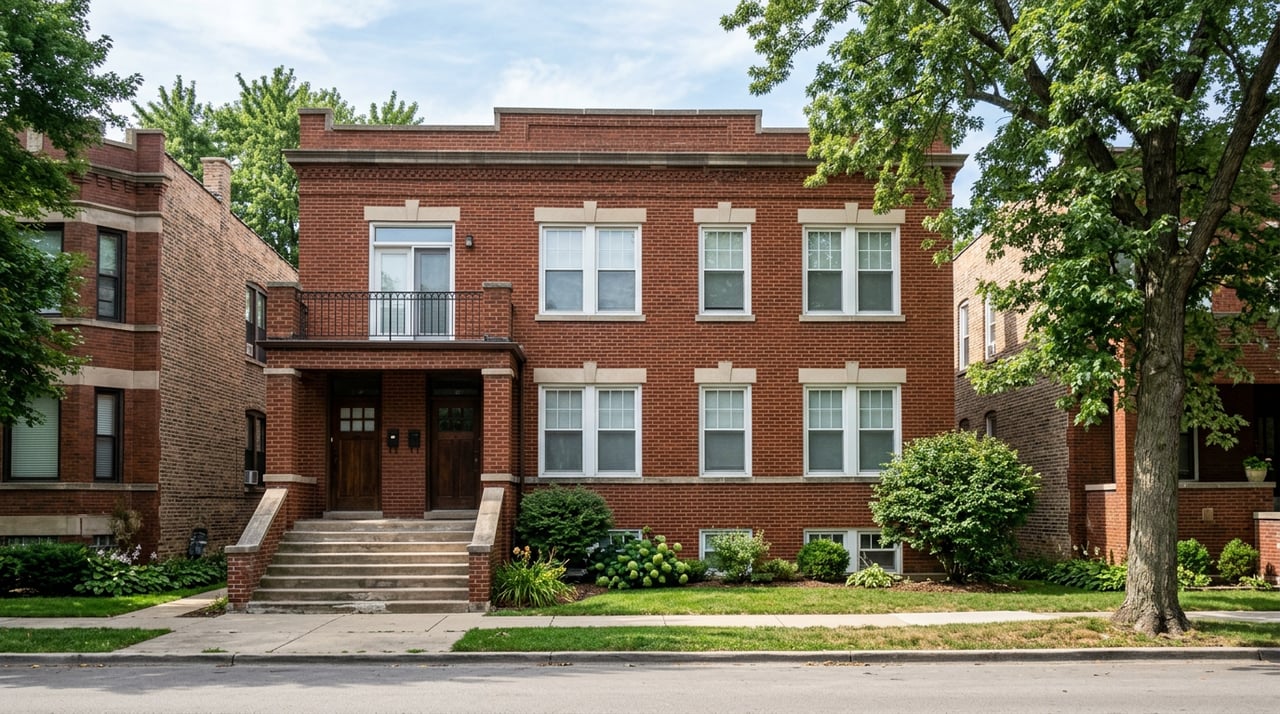
One of the most important things to know about the South Side lakefront is that housing stock changes quickly from one area to the next. You are not looking at a single, uniform style of housing.
In Hyde Park, the Chicago Architecture Center notes a wide architectural mix that includes Victorian homes, pre-Chicago Fire houses, and styles such as Italianate, Queen Anne, Tudor Revival, and Prairie School. In practical terms, that can mean choosing among older single-family homes, vintage apartment buildings, courtyard buildings, and condo options near major institutions.
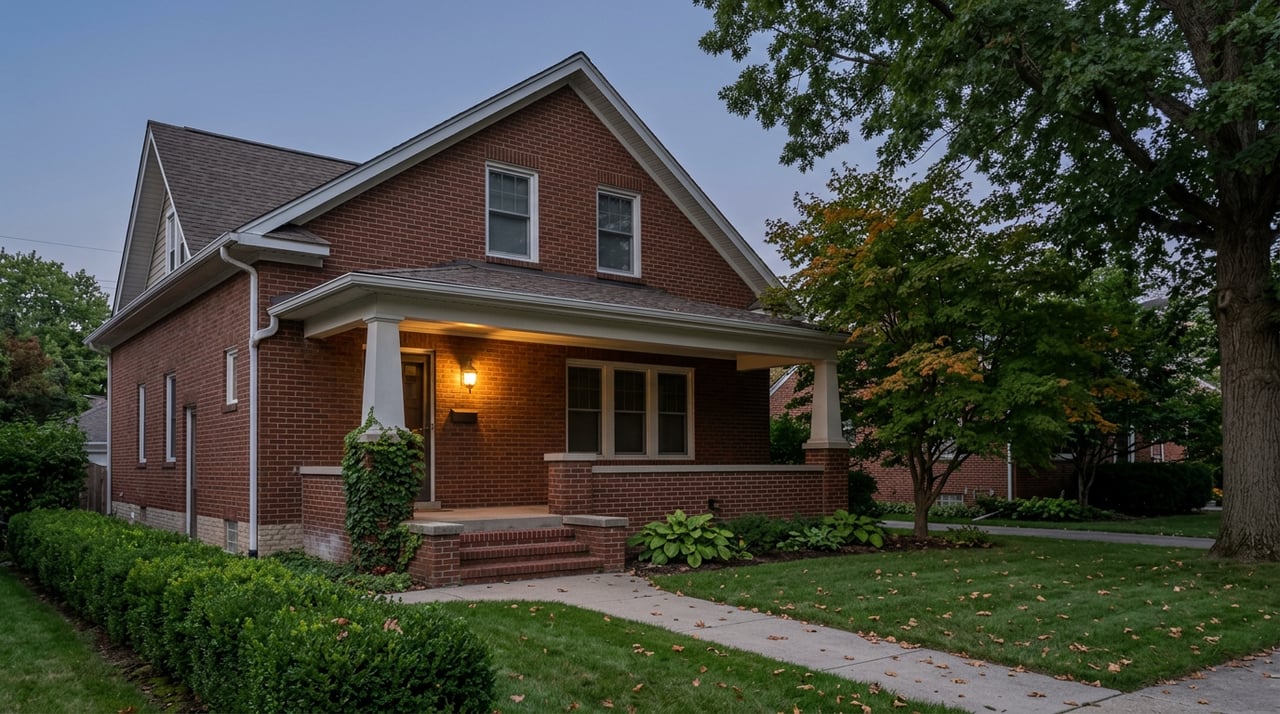
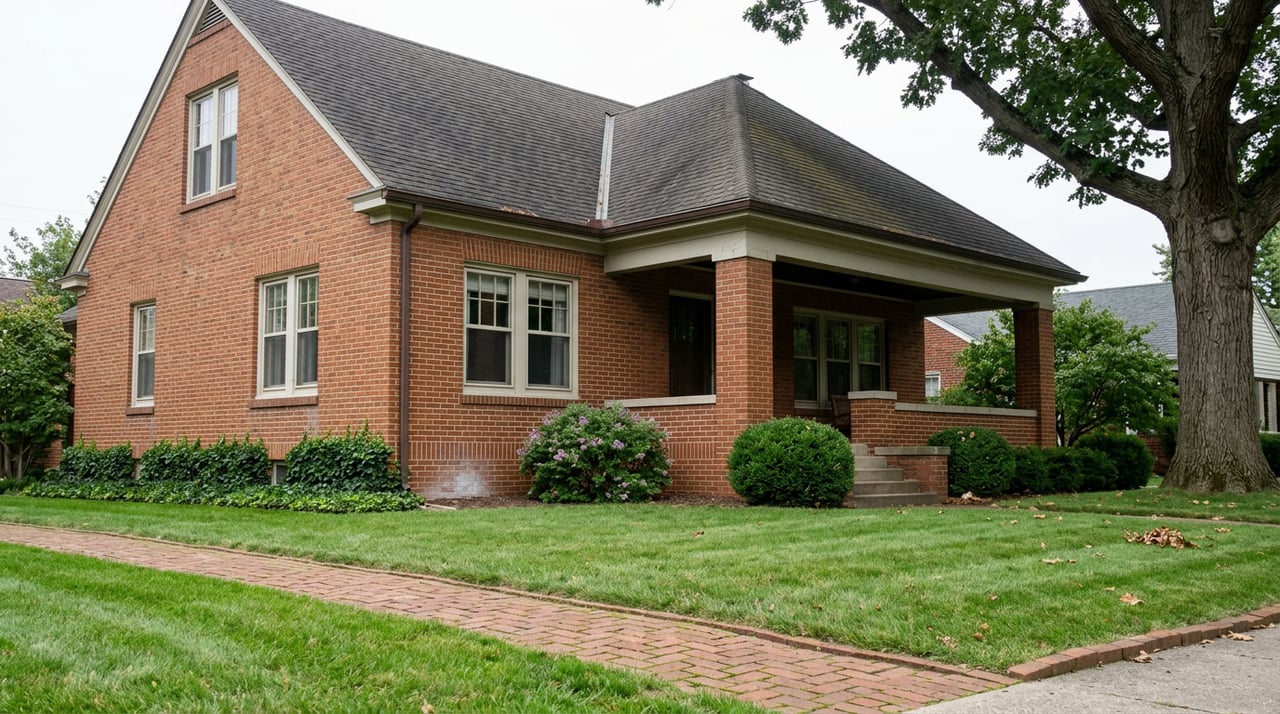
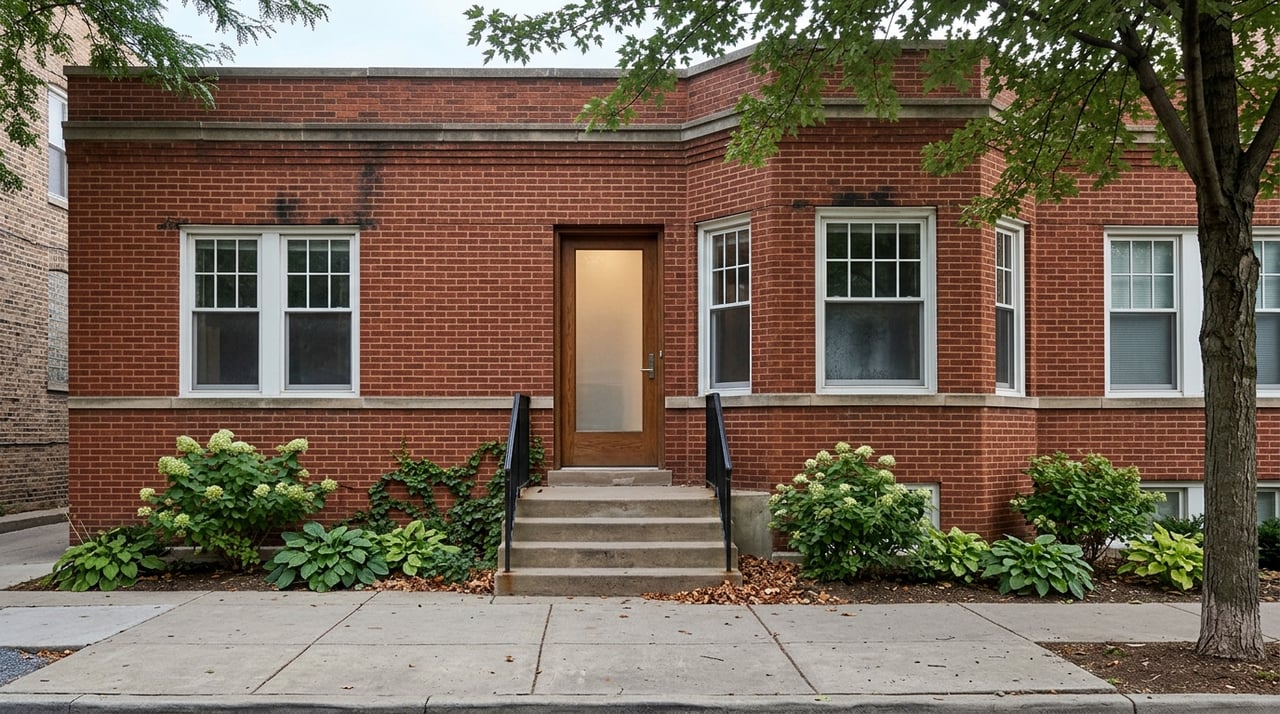
Kenwood is known for its mix of large historic residences and newer homes. South Shore includes apartment buildings and homes along South Shore Drive, larger historic houses in Jackson Park Highlands, and housing stock shaped in part by early 20th-century bungalow construction.
Bronzeville adds another layer, with notable historic mansions and dense urban residential fabric. If you are starting a home search here, it helps to compare not just price and size, but also building type, maintenance expectations, and how much historic character you want in your daily life.
Getting around takes a mix of options
A lot of people assume lakefront living automatically means driving everywhere or dealing with a hard commute. On the South Side, the picture is more flexible.
CTA routes serving the broader corridor include the #2 Hyde Park Express, #6 Jackson Park Express, #15 Jeffery Local, #26 South Shore Express, and #28 Stony Island. Metra Electric also connects downtown with stops including Hyde Park at 51st/53rd Street and South Shore near 71st Street.
That gives you choices, especially if you prefer a car-light routine. Depending on where you live, you may be able to combine rail, bus, walking, and biking instead of relying on one mode every day.
The trail is part of everyday transportation
The Lakefront Trail is not just a recreational feature. For many residents, it is part of how they move through the city.
The Hyde Park neighborhood materials note that the trail reaches 53rd Street there, and South Shore materials say it extends south to 71st Street. CTA also notes that all buses have front bike racks, which can make mixed-mode commuting more practical.
Parking depends on your destination
Driving is still part of life for many households, but parking conditions can vary. Both Hyde Park and South Shore connect easily to DuSable Lake Shore Drive, which helps with north-south travel.
Still, shoreline destinations do not all offer the same parking setup. The Chicago Park District notes limited street parking near 63rd Street Beach, no designated parking at Promontory Point, and metered parking at South Shore Cultural Center. If your routine includes regular lake visits, that is worth factoring into your home search.
Recreation is the biggest daily perk
For many residents, the biggest payoff of South Side lakefront living is simple: you get regular access to outdoor space that feels larger than everyday city life. This is one of the area’s clearest lifestyle advantages.
The Chicago Park District says Chicago’s beaches line 26 miles of open, free lakefront. Swimming is allowed only when lifeguards are on duty from 11 a.m. to 7 p.m., and swim conditions are updated daily.
At 57th Street Beach, the season runs from the Friday before Memorial Day through Labor Day. At 63rd Street Beach, there is an accessible beach walk and a free beach wheelchair available with a valid ID.
Parks, harbors, and shoreline amenities
The South Side shoreline offers much more than beach access. Burnham Park alone totals 653.63 acres and includes Promontory Point, beaches, the 31st Street skate park, and 31st Street Harbor.
The Chicago Park District also says its lakefront has 10 harbors with space for more than 6,000 boats, and harbor season runs from May 1 to October 31. Farther south, 59th Street Harbor and Jackson Park harbor facilities add more boating and fishing access.
Culture stays close to the water
This part of Chicago stands out because recreation and culture are closely tied together. In Hyde Park, the lakefront experience is connected to Jackson Park, Promontory Point, the Osaka Garden, the Museum of Science and Industry, and the University of Chicago.
In South Shore, the South Shore Cultural Center is a major destination, with a former country club building, beach, golf course, tennis courts, nature sanctuary, and butterfly garden. Bronzeville adds galleries, historic sites, and Black history landmarks, which gives the broader South Side lakefront a lifestyle that is about more than scenic views alone.
What to weigh before you move
If you are considering a move along the South Side lakefront, it helps to think beyond the phrase lakefront living. The better question is how you want your day to work.
You may want to think through:
- How often you plan to use the beach, trail, or parks
- Whether you prefer direct shoreline access or a nearby residential setting
- What kind of housing fits your budget and maintenance preferences
- How important Metra, CTA, biking, or driving is to your commute
- Whether you want stronger access to cultural destinations, quieter streets, or more waterfront activity
The best fit often comes down to matching your routine with the right micro-location. A home near the lake is not automatically the right home unless it also supports how you want to live.
Why local guidance matters here
The South Side lakefront offers real variety, which is part of its appeal. It also means broad descriptions can be misleading.
A buyer comparing Hyde Park, South Shore, Kenwood, or Bronzeville is not just comparing prices. You are also comparing housing styles, shoreline access, commuting patterns, parking realities, and the kind of neighborhood rhythm that feels right for you.
That is where neighborhood-specific guidance makes a difference. When you understand how each area functions in real life, it becomes much easier to narrow your search and move with confidence.
If you are exploring homes near Chicago’s South Side lakefront, working with someone who understands both the neighborhood details and the bigger move strategy can save you time and help you make a smarter decision. When you are ready to talk through your options, connect with Tina Hollins for a personalized consultation.
FAQs
What is the South Side lakefront in Chicago?
- The South Side lakefront is a connected corridor of parks, beaches, trail segments, harbors, and nearby neighborhoods rather than one single neighborhood.
What neighborhoods are part of everyday life along the South Side lakefront?
- Hyde Park, South Shore, Kenwood, and Bronzeville are all closely tied to the South Side lakefront lifestyle, though each offers a different mix of shoreline access, housing, and neighborhood character.
What types of homes can you find near Chicago’s South Side lakefront?
- Housing near the South Side lakefront includes historic mansions, Victorian homes, bungalows, vintage apartment buildings, courtyard buildings, condos, and contemporary residences.
How do residents commute from the South Side lakefront?
- Many residents use a mix of CTA buses, Metra Electric, biking, walking, and driving, with the Lakefront Trail serving as both a recreation route and a practical transportation link.
What recreational amenities are available along the South Side lakefront?
- The South Side lakefront offers beaches, parks, trail access, harbors, boating, fishing, golf, tennis, cultural sites, museums, and major public open space.
What should buyers compare when choosing a South Side lakefront neighborhood?
- Buyers should compare shoreline access, housing type, parking, transit options, and how each area fits their preferred daily routine.