If you are torn between a condo and a single-family home in Chicago, you are not alone. Many buyers start with a price range, then realize the bigger question is how you want to live and what you want to manage each month. The good news is that once you understand the tradeoffs in cost, upkeep, privacy, and flexibility, the right fit becomes much clearer. Let’s dive in.
Why home style matters in Chicago
In Chicago, your home style choice shapes more than your address. It affects your monthly budget, your maintenance responsibilities, your day-to-day privacy, and how much control you have over the property.
That matters even more in a market where choices can feel tight. Chicago’s median sales price was $345,000 in January 2026, and inventory was down 24.9% year over year. For many buyers, that means choosing between a condo and a single-family home is just as much about total monthly cost as it is about neighborhood preference.
What a condo means
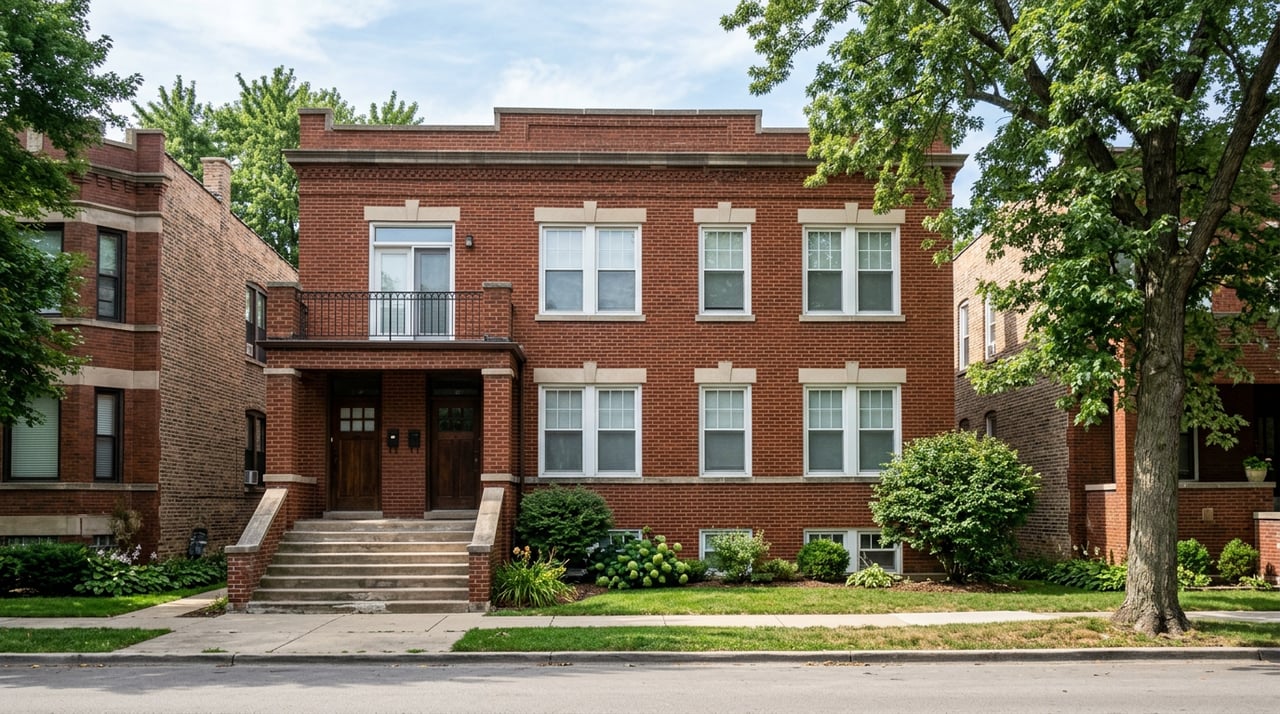
A condo is an individually owned unit inside a larger building or community. You own your unit, but you also share ownership of common areas and exterior elements with other owners through the association.
That shared structure usually comes with a condo or HOA fee. In many buildings, that fee helps pay for exterior maintenance, common-area upkeep, reserve funds, and sometimes utilities like water, sewer, and trash.
For many Chicago buyers, a condo offers a lower-maintenance lifestyle. If you want less hands-on upkeep and you are comfortable with shared decision-making through an association, a condo can be a practical option.
What a single-family home means
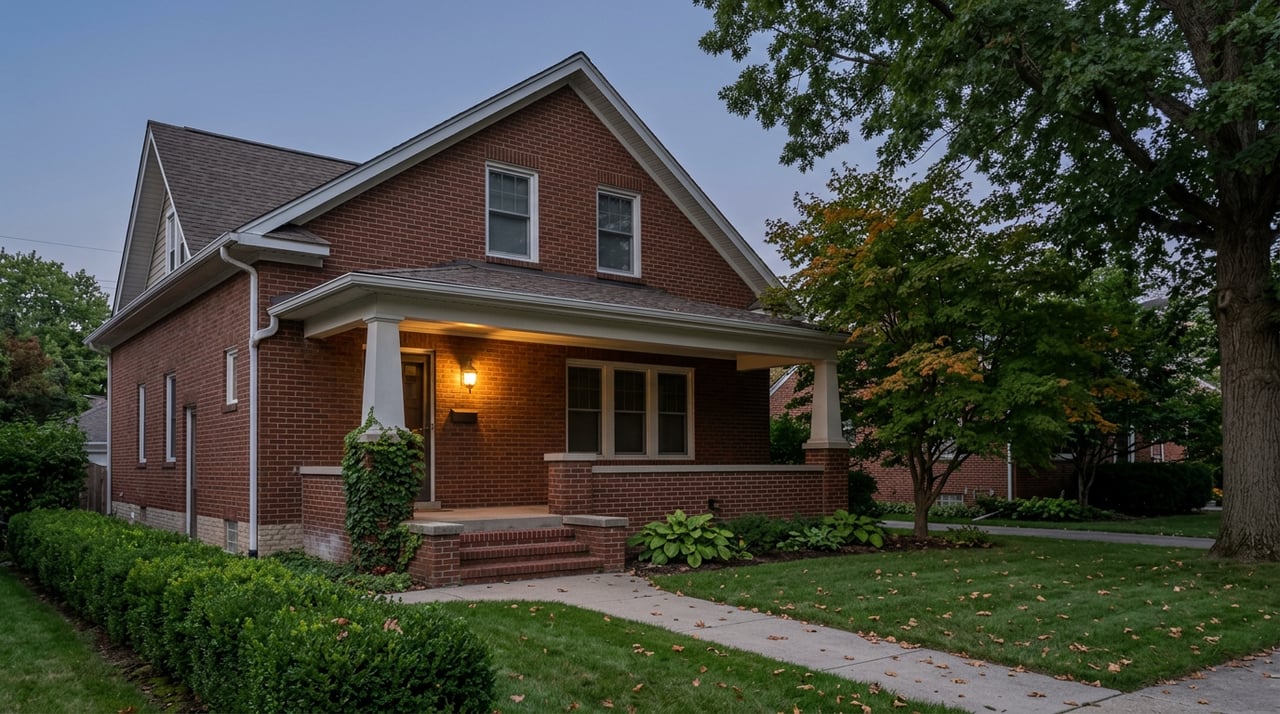
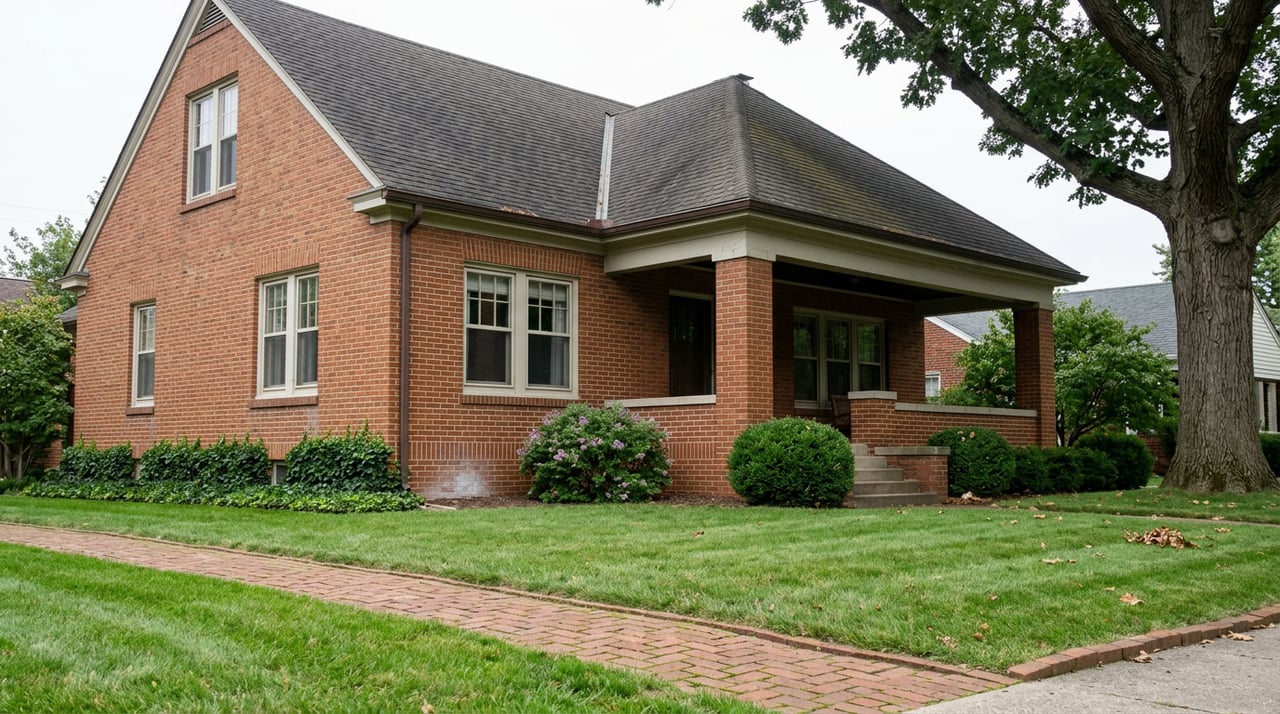
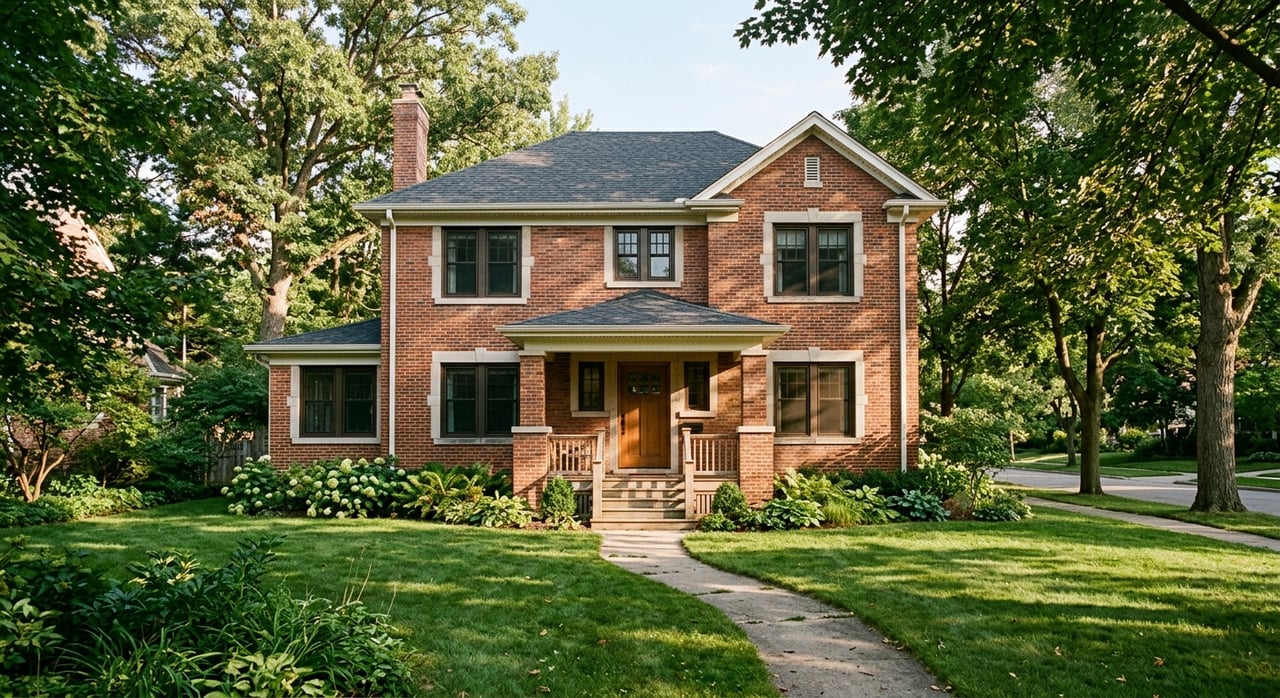
A single-family detached home is a stand-alone property on its own separately deeded lot. In most cases, you are responsible for the home inside and out.
That gives you more control over the property. It also means you take on the full maintenance load, from routine repairs to major replacements like roofing, landscaping, or exterior work.
For buyers who want more privacy, yard space, and freedom to customize, a single-family home often feels like the more flexible choice. The tradeoff is that you need the budget and time for ongoing upkeep.
Where townhomes fit in
Townhomes deserve a quick mention because they often sit between condos and detached homes. They usually have multiple floors, a private entrance, shared walls, and often some private outdoor space like a patio or deck.
In Chicago, a townhome can appeal to buyers who want a more house-like feel without taking on every part of detached-home maintenance. Many still have HOA fees, so you will want to compare them the same way you would compare a condo.
Compare monthly cost, not just price
One of the biggest mistakes buyers make is focusing only on the list price. The better comparison is your total monthly housing payment.
That monthly number can include:
- Principal and interest
- Property taxes
- Mortgage insurance, if applicable
- Homeowners insurance
- Supplementary insurance, if needed
- HOA or condo fees
This is where condos can surprise buyers. A condo may have a lower purchase price than a single-family home, but the monthly HOA fee can change the picture quickly. Those dues can range from a few hundred dollars a month to more than $1,000, so it is important to compare full carrying cost, not just the sticker price.
Don’t overlook Cook County tax savings
If the property will be your principal residence, the Cook County homeowner exemption may help reduce your tax burden. According to the Cook County Assessor, most homeowners who own and occupy their home as a primary residence are eligible.
The exemption reduces the property’s equalized assessed value by $10,000, and it renews automatically once in place. The actual dollar savings depend on the local tax rate, but it is still an important piece of the budgeting conversation whether you are buying a condo or a detached home.
Maintenance is one of the biggest tradeoffs
Your ideal home style often comes down to how much maintenance you want to handle. That is especially true if you are balancing work, family, commuting, or a move from one part of the city to another.
Condo maintenance expectations
Condos are usually the lowest-maintenance option of the three main home styles. The association often handles exterior work, common-area maintenance, certain insurance obligations, and reserve planning for shared components.
That can make condo living attractive if you want a simpler ownership experience. But it also means your property experience depends in part on how well the association is managed.
Single-family maintenance expectations
With a single-family home, the maintenance decisions are yours. You control the timing, the contractors, and the standards, but you also carry the full cost and responsibility.
For some buyers, that control is worth it. For others, especially first-time buyers, it can feel like a bigger commitment than expected once repair and replacement costs start showing up.
Townhome maintenance expectations
Townhomes often strike a middle ground. You may get a private entrance and some outdoor space while still having an HOA handle certain shared or exterior items.
That can be a strong fit if you want more separation than a condo but less responsibility than a detached house. You still need to read the HOA terms carefully so you know what is covered and what is not.
Privacy and control matter too
Cost matters, but lifestyle matters just as much. The right home style should fit how you want to live day to day.
A condo often gives you less privacy and less control over exterior decisions because you share walls and rely on association rules. A single-family home usually offers the most privacy, the most control, and the best opportunity for customization.
Townhomes usually land somewhere in the middle. You may still share walls, but the private entrance and more house-like layout can give you a more independent feel.
Condo due diligence is critical in Illinois
If you are buying a condo in Chicago, you are not just buying the unit. You are also stepping into the association’s financial health and governance.
Under the Illinois Condominium Property Act, associations are required to prepare an annual budget, collect assessments, maintain common elements, obtain insurance, keep records, and consider reserve needs based on repair and replacement costs, useful life, and the financial impact on owners. That is why reviewing the association documents is such an important part of the process.
A condo that looks affordable at first glance may become less attractive if reserves are weak or a special assessment is planned. Strong due diligence helps you understand the full ownership picture before you commit.
Questions to ask before you buy a condo
Before making an offer, ask for clear answers to questions like these:
- What exactly is included in the HOA or condo fee?
- How large is the reserve fund?
- Is a reserve study available?
- Are any special assessments planned or already approved?
- Is parking included, assigned, or separate?
- What does the master insurance policy cover?
- What changes or renovations are allowed inside the unit?
- How much time will you have to review the condo documents after an accepted offer?
These questions can help you avoid surprises and compare one condo building against another in a more meaningful way.
Pre-approval helps you compare realistically
Pre-approval can be especially useful when you are deciding between home styles. It gives you an estimate of your financing amount and potential monthly payment before taxes and insurance are fully known.
That gives you a practical framework for comparing a condo with HOA dues against a single-family home with higher maintenance responsibility. Instead of guessing from list prices, you can measure each option against a real working budget.
Chicago neighborhoods show how these choices play out
Chicago offers a wide mix of housing styles, and that is part of what makes the decision so personal. Some neighborhoods give you more condo-heavy choices, while others lean more toward detached homes or a broader mix.
South Shore offers condo and bungalow options
South Shore is a useful example for buyers comparing affordability and lifestyle. Neighborhood materials highlight lakefront access, beaches, the South Shore Cultural Center, and a housing base that includes bungalows.
Chicago REALTOR® also notes that condos are desirable there and that the area has seen renewed buyer interest. If you are comparing condo living with a more traditional single-family feel on the South Side, South Shore is one place where both paths can be part of the conversation.
Hyde Park shows a mixed housing market
Hyde Park is another strong example of variety. It includes condo activity as well as renovated homes, which makes it a good fit for buyers who want choices within one neighborhood.
If you are still deciding between shared-building living and a more house-oriented setup, mixed markets like Hyde Park can help you compare both in a similar location and price environment.
South Loop leans urban and attached
South Loop is a strong example of a neighborhood where high-rise condos, loft conversions, and townhomes coexist. It often appeals to buyers who want an urban lifestyle and are open to shared-building or attached-home living.
If your priorities include convenience, lower exterior maintenance, and a more city-centered feel, condo or townhome options may naturally rise to the top here.
Beverly reflects the single-family side
Beverly is a helpful reference point if you are drawn to detached homes. Neighborhood materials describe a wide range of residential architecture, including Prairie-style homes, brick Tudors, and Spanish-inspired homes.
For buyers who prioritize privacy, larger lots, and a more traditional house feel, this type of neighborhood often supports the case for a single-family purchase.
Pilsen and the 606 corridor offer flexibility
Pilsen and the broader 606-area corridor reflect a more mixed inventory. Chicago REALTOR® notes a combination of apartments, condos, single-family homes, and multi-family buildings in these areas.
That variety can be helpful if you are open-minded on home style and want to compare several ownership options without narrowing your search too quickly.
A simple way to decide
If you are stuck, use this practical framework:
Choose a condo if...
- You want lower-maintenance living
- You are comfortable with HOA or condo fees
- You value shared amenities or simpler exterior upkeep
- You can review association finances and rules with confidence
Choose a townhome if...
- You want a private entrance
- You would like some outdoor space
- You are comfortable with shared walls
- You want a middle-ground option between condo and detached living
Choose a single-family home if...
- You want more privacy
- You value yard space and customization
- You want full control over the property
- You are prepared for full maintenance responsibility
The right choice depends on your version of convenience
For one buyer, convenience means never worrying about snow removal, exterior repairs, or building maintenance. For another, convenience means having total control over the property and not needing association approval for decisions.
That is why there is no one-size-fits-all answer in Chicago. The right home style is the one that fits your budget, your pace of life, and the kind of ownership experience you actually want.
When you look at condos, townhomes, and single-family homes through the lens of monthly cost, maintenance, privacy, and neighborhood fit, the decision becomes much easier to make. If you want help comparing Chicago home styles and narrowing the right neighborhoods for your goals, Tina Hollins can help you make a confident move.
FAQs
What is the main difference between a condo and a single-family home in Chicago?
- A condo is an individually owned unit within a larger building or community with shared common elements and association fees, while a single-family home is a detached property where you are usually responsible for all maintenance inside and out.
How should Chicago buyers compare condo and single-family home costs?
- You should compare the total monthly housing payment, including mortgage costs, property taxes, insurance, and any HOA or condo fees, instead of looking at list price alone.
What should Chicago condo buyers review before making an offer?
- You should review what the HOA fee covers, reserve funds, any planned special assessments, parking details, insurance coverage, renovation rules, and the timeline for reviewing condo documents after an accepted offer.
Does the Cook County homeowner exemption apply to condos?
- If the condo is your principal residence and you meet the eligibility rules, the Cook County homeowner exemption may apply and reduce the property’s equalized assessed value by $10,000.
Are townhomes a good middle-ground option in Chicago?
- Yes, townhomes often offer a private entrance and some outdoor space with a more house-like feel, while still sharing some features and fees that are common in HOA communities.
Which Chicago neighborhoods offer a mix of condos and single-family homes?
- South Shore, Hyde Park, Pilsen, and areas near the 606 corridor are all examples of places where buyers may find a mix of condos, single-family homes, and other residential property types.