If you are selling a luxury home in Chicago, great marketing is not just about putting your listing online and waiting. In a market shaped by neighborhood-level demand, property type, and a smaller pool of qualified buyers, your strategy needs to be sharper than that. The good news is that when local positioning, polished presentation, and national exposure work together, your home can stand out for the right reasons. Let’s dive in.
Chicago Luxury Starts Local
Luxury in Chicago does not live at one fixed price point across the whole city. The Chicago Association of REALTORS® tracks housing data across the city’s 77 neighborhoods and 293 suburbs, which shows just how segmented this market really is. Coldwell Banker Global Luxury also defines luxury based on the top 10% of sales within a listing’s ZIP code, reinforcing that luxury status is local and property-specific.
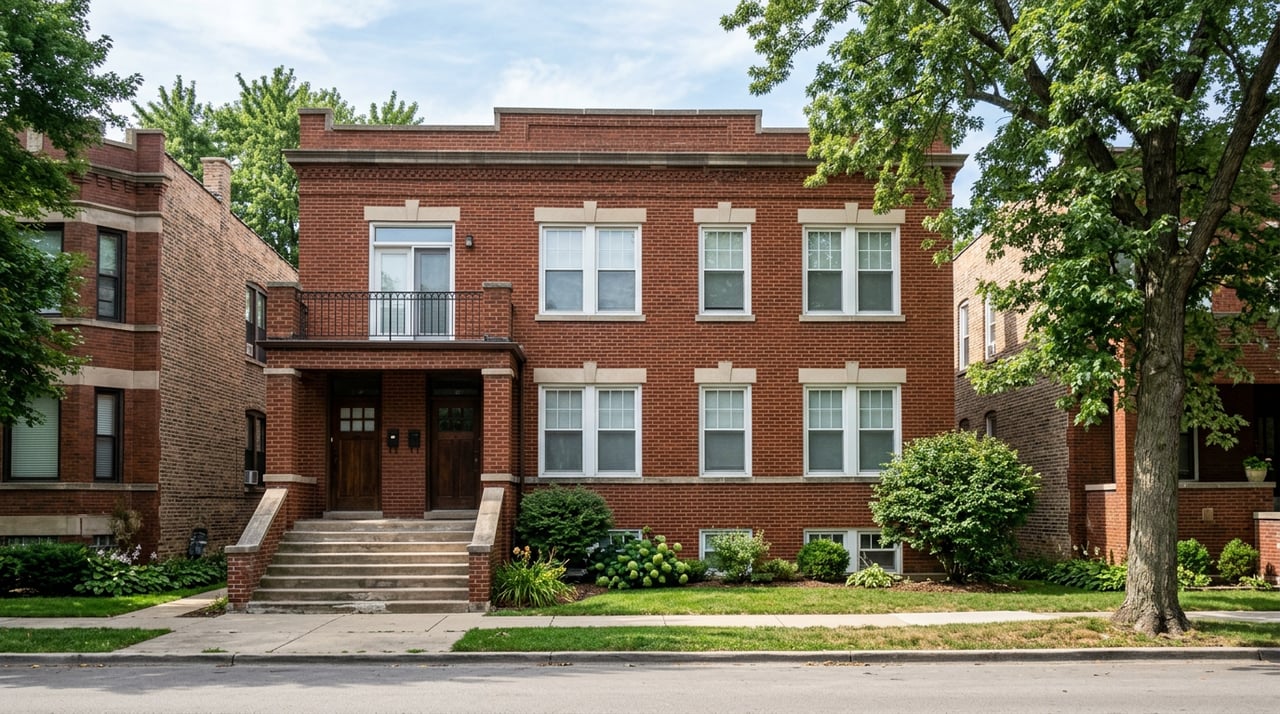
That matters because a condo in River North, a historic residence in Gold Coast, and a newer home in another part of the city may each speak to very different buyers. A strong marketing plan starts by understanding how your home fits its immediate micro-market. That local calibration shapes everything from pricing strategy to photography style to the story told in the listing.
In late 2025, Illinois REALTORS® reported an annual median home price of $375,000 in the city of Chicago, with 2,969 homes for sale in December. Even in a major metro, inventory can remain tight while buyer demand stays segmented. For luxury sellers, that makes precision even more important because broad exposure works best when the home is already positioned correctly.
Why National Marketing Matters
National marketing expands the number of qualified people who can discover your property. That includes not only direct buyers, but also cooperating agents, relocation clients, and people who may be searching outside Chicago before narrowing their options. In the luxury space, that wider visibility can be especially valuable because the right buyer is not always shopping only within one neighborhood or one local search portal.
Coldwell Banker Global Luxury describes a network of 100,000 independent sales associates across more than 2,600 offices worldwide. It also notes that listings priced at $1 million and above are syndicated through JamesEdition, a global luxury marketplace. The practical takeaway is simple: broader distribution can put your property in front of more qualified eyes than a local-only approach.
Still, reach alone is not the whole story. National exposure helps most when it sits on top of strong pricing, standout presentation, and a message tailored to the likely buyer. In other words, the platform matters, but execution matters just as much.
The Three Parts of Strong Luxury Marketing
The most effective luxury marketing in Chicago can be understood as a three-part system:
- Property preparation
- Premium media
- Broad distribution
When these three elements work together, your listing is easier to notice, easier to understand, and easier for buyers to imagine as worth the asking price. If one piece is weak, the entire campaign can lose momentum.
Property Preparation Sets the Stage
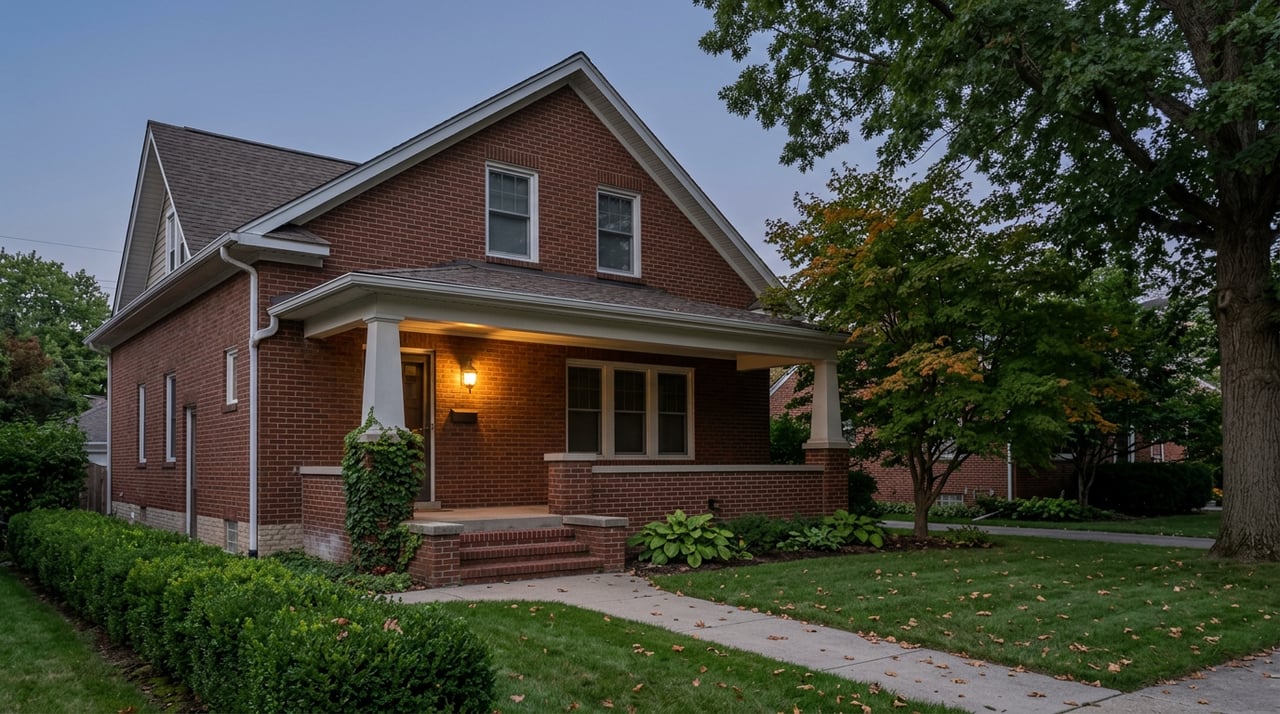
Before a luxury home is marketed nationally, it needs to look fully ready for scrutiny. Buyers often see the listing online before they ever step inside, and that first impression can either create urgency or lose attention fast. A polished home signals care, value, and consistency.
Research from NAR’s 2025 Profile of Home Staging found that 83% of buyers’ agents said staging made it easier for clients to visualize a property as their future home. The same report found that 49% of sellers’ agents said staging reduced time on market, while 29% of buyers’ agents said staging increased the dollar value offered by 1% to 10%. Those numbers support what many sellers already sense: presentation can influence both speed and perception.
For luxury homes, staging is usually not about filling every room. It is about highlighting the spaces that create the strongest emotional response and the clearest visual flow. NAR’s research identified the living room, primary bedroom, kitchen, dining room, and outdoor spaces as the most important areas to stage.
Premium Media Creates the First Showing
In today’s market, your online listing is often the first showing. Buyers expect high-resolution photography, strong video, and visual consistency between what they saw online and what they experience in person. That is especially true at the luxury level, where buyers are comparing details, scale, finishes, and natural light from the very first click.
NAR guidance for sellers emphasizes that buyers who like what they see online expect to encounter the same home in person. That makes premium media more than a nice extra. It becomes part of how value is communicated.
For a Chicago luxury listing, the media package should help buyers understand:
- Room scale and layout
- Natural light throughout the day
- Architectural details and design choices
- Flow between living spaces
- Outdoor features when relevant
- The home’s relationship to its surrounding neighborhood context
A design-forward condo in River North may benefit from photography that highlights clean lines, finishes, and city views. A home in Lincoln Park may lean more on green space access, classic architecture, and lifestyle flow. The visual strategy should fit the property, not force every listing into the same template.
Broad Distribution Extends Reach
Once the home is prepared and the media is strong, distribution does the work of widening the audience. This is where national marketing can create real leverage. It allows your home to move beyond a narrow local circle and into a larger ecosystem of buyers and agents.
That broader ecosystem matters because NAR’s 2025 buyer and seller profile found that 88% of buyers purchased through an agent or broker, and 91% of sellers used a real estate agent. In practice, that means agent-to-agent visibility, referrals, and brokerage networking still play a major role in how homes get sold. For luxury listings, private conversations and broker awareness can be just as important as public-facing advertising.
Chicago Neighborhood Storytelling Matters
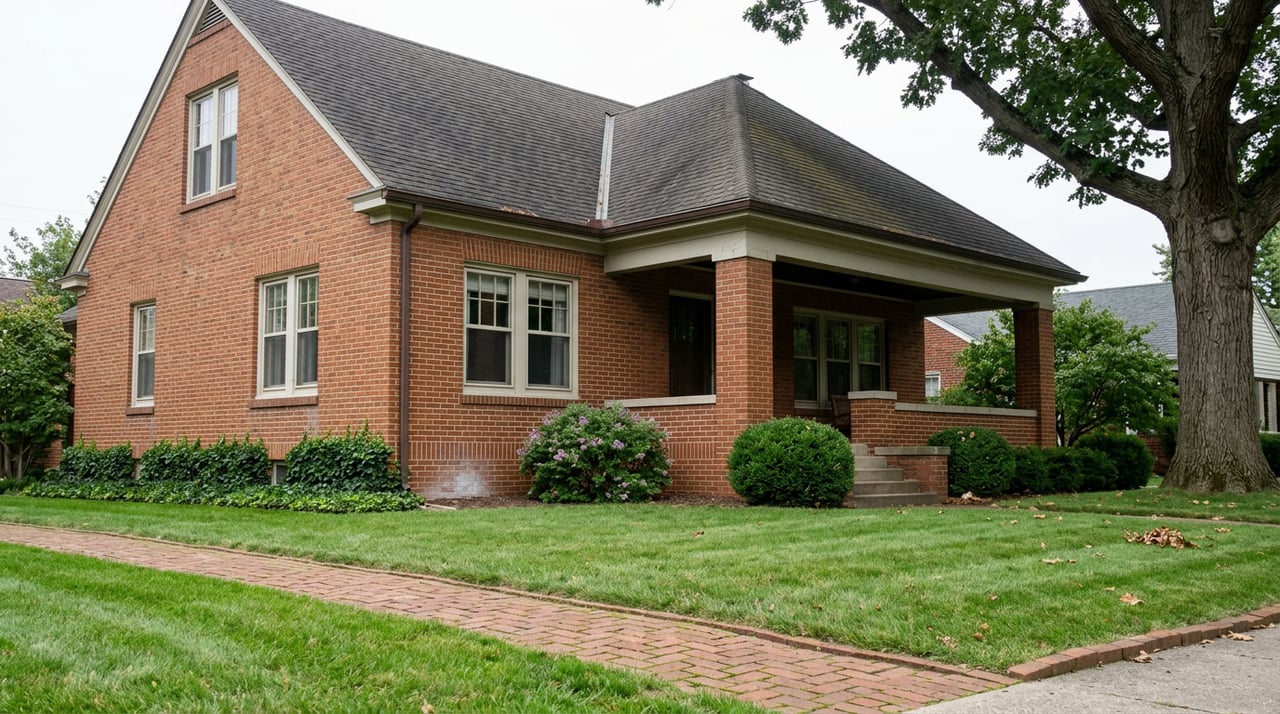
In a city as layered as Chicago, luxury marketing works better when it reflects the home’s specific setting. Buyers are not only purchasing square footage or finish selections. They are also responding to architecture, block feel, nearby amenities, and the kind of day-to-day experience the location supports.
That does not mean every listing needs a dramatic lifestyle pitch. It means the story should be factual, relevant, and grounded in what actually makes the property and area appealing.
Here are a few examples from well-known luxury corridors in Chicago:
- Gold Coast is known for historic mansions, designer boutiques, notable restaurants, and historic hotels.
- River North is associated with art, design, and high-end interior showrooms, making it a natural fit for lofts and modern condos.
- Lincoln Park is recognized for large public park space, lakefront access, culture, dining, and shopping.
- West Loop is known for its evolution into a dining and boutique destination, often aligning well with newer construction and loft-style homes.
Chicago Association of REALTORS® also noted in its 2025 market outlook that downtown Chicago may be shifting back toward urban living, supported by office return and rising rents in nearby suburbs. For sellers, that kind of trend can help inform marketing angles when they are truly relevant to the property. Features like commute convenience, walkability, or proximity to dining and cultural amenities should be used thoughtfully and only when they fit the home.
Why One-Size-Fits-All Marketing Falls Short
Luxury buyers are not all looking for the same thing. Some care most about architecture and provenance. Others respond to views, privacy, entertaining space, or turnkey design. In Chicago, those preferences can vary widely by neighborhood, building type, and price range.
That is why a one-size-fits-all campaign often underperforms. If the marketing does not match the likely buyer pool, even broad exposure can feel generic. The strongest campaigns combine neighborhood knowledge with disciplined execution so the property is presented in a way that feels specific, intentional, and memorable.
This is also where local expertise and national reach should work together, not compete. Local knowledge helps define the story and the audience. National distribution helps carry that story farther.
What Sellers Should Expect From a Luxury Marketing Plan
If you are preparing to sell a higher-end home in Chicago, your marketing plan should go well beyond basic listing entry. At minimum, it should address the full path from preparation through exposure.
A thoughtful plan often includes:
- A pricing strategy informed by the home’s ZIP code, neighborhood, and property type
- Staging guidance focused on high-impact rooms and first impressions
- Professional photography and video that reflect the home accurately and attractively
- Listing copy that highlights the property’s strongest features and local context
- Distribution that reaches both local and broader luxury audiences
- Broker-to-broker visibility and professional networking support
This layered approach is especially important in a market where buyer pools can be narrow and expectations are high. The goal is not just to attract attention. It is to attract the right attention.
How Tina Hollins Approaches Chicago Luxury Marketing
For sellers, the advantage of working with a neighborhood-savvy broker is that your home is not treated like a generic luxury product. Tina Hollins combines local Chicago market awareness with a disciplined, negotiation-first approach and access to Coldwell Banker’s luxury marketing network. That means your strategy can stay grounded in the realities of your micro-market while still benefiting from broad distribution when appropriate.
Just as important, you get boutique-level attention. From property preparation to positioning to the final negotiation, the process stays tailored to your home and your goals. That balance of personal service and national marketing support is often what luxury sellers need most.
If you are thinking about selling a luxury home in Chicago and want a strategy built around local positioning, polished presentation, and broad exposure, Tina Hollins can help you create a smart, custom plan.
FAQs
How is luxury real estate defined in Chicago?
- Luxury real estate in Chicago is better understood by ZIP code, neighborhood, and property type than by one citywide price point. Coldwell Banker Global Luxury uses the top 10% of sales in the listing ZIP code as its benchmark.
Why does national marketing help luxury home sales in Chicago?
- National marketing can widen exposure to qualified buyers, cooperating agents, and relocation audiences beyond the immediate local market, which is useful when the buyer pool for a luxury home is more specialized.
What marketing materials matter most for a Chicago luxury listing?
- High-quality photos, video tours, staging, and virtual presentation tools matter because buyers often shop online first and expect the home to look polished both online and in person.
Which rooms should sellers prioritize when staging a luxury home in Chicago?
- The most important rooms to stage are typically the living room, primary bedroom, kitchen, dining room, and outdoor spaces because those areas tend to shape first impressions most strongly.
Can national exposure make up for weak pricing or poor presentation?
- No. The research supports national exposure as most effective when it is layered on top of accurate pricing, strong preparation, and premium media rather than used as a substitute for them.