Wondering if condo living on Chicago’s South Side means a sleek high-rise and a long list of building amenities? In many cases, it does not. South Side condo living often feels more neighborhood-based, more low-rise, and more tied to the character of the building and block than buyers first expect. If you are thinking about buying here, it helps to know what daily life, maintenance, and tradeoffs can really look like. Let’s dive in.
South Side condos are not all the same
One of the biggest things to expect is variety. The South Side condo market is better understood as a collection of neighborhood micro-markets rather than one single condo experience. In the Chicago Park District’s Central Region, south and near-south areas include places like Hyde Park, Bronzeville, Chinatown, Pilsen, South Loop, and other lakefront communities, which helps explain why condo living can feel very different from one area to the next. You can explore that broader regional context through the Chicago Park District’s Central Region overview.
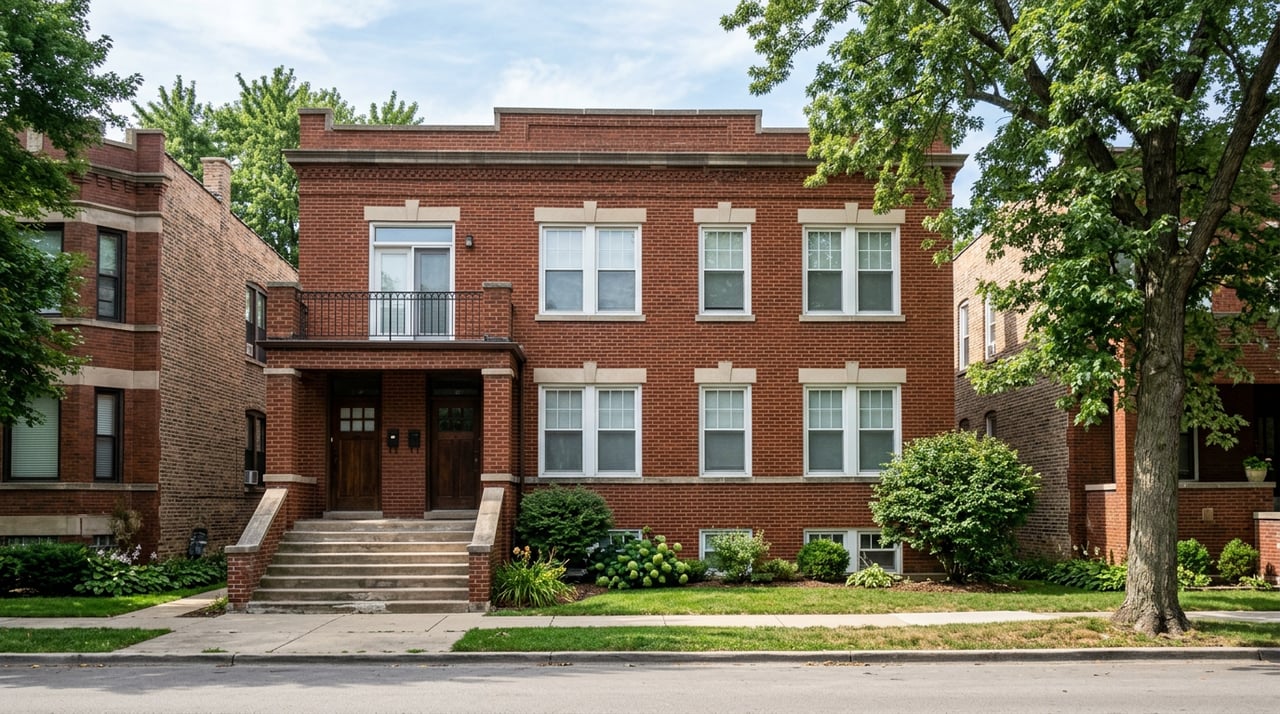
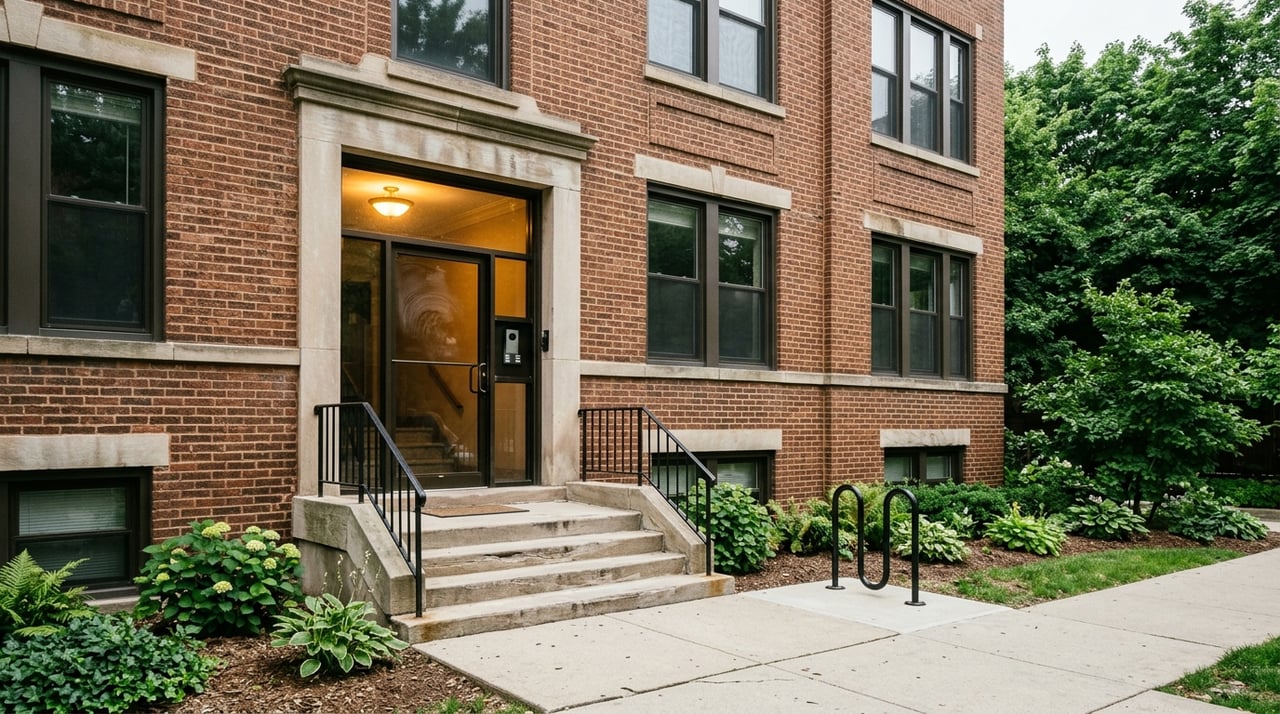
That matters because your condo may be in a very different type of building than you pictured. According to the Chicago Architecture Center’s overview of Chicago housing types, the city is known for two- and three-flats, rowhouses, six-flats, courtyard buildings, greystones, and other middle-density housing. On the South Side, that often means your condo could be in an older brick walk-up, a courtyard building, or a newer infill property instead of a downtown-style tower.
What the buildings often feel like
If you are used to thinking of condos as elevator buildings with door staff and fitness rooms, reset that expectation a bit. Many South Side condos are in smaller residential buildings that feel closer to traditional neighborhood housing. That can create a quieter, more grounded day-to-day living experience, but it can also mean fewer on-site amenities.
The Chicago Architecture Center’s guide to two- and three-flats describes these buildings as typically two stories, often brick or greystone, with one apartment per floor, bay windows, and side porches or gangways. Courtyard buildings are usually three- to four-story brick structures organized around a central garden space. These housing forms shape a lot of what buyers encounter in South Side condo searches.
Older walk-ups are common
In many older condo buildings, walk-up layouts are part of the package. You may find vintage details, practical floor plans, and a more residential rhythm than you would in a larger downtown development. You may also need to be comfortable with stairs, shared entryways, and a simpler common-area setup.
For some buyers, that is a positive. A smaller building can feel more manageable and more personal. It can also mean your monthly costs are supporting essential building operations rather than a long list of lifestyle amenities you may not use often.
Low-rise streetscapes shape the experience
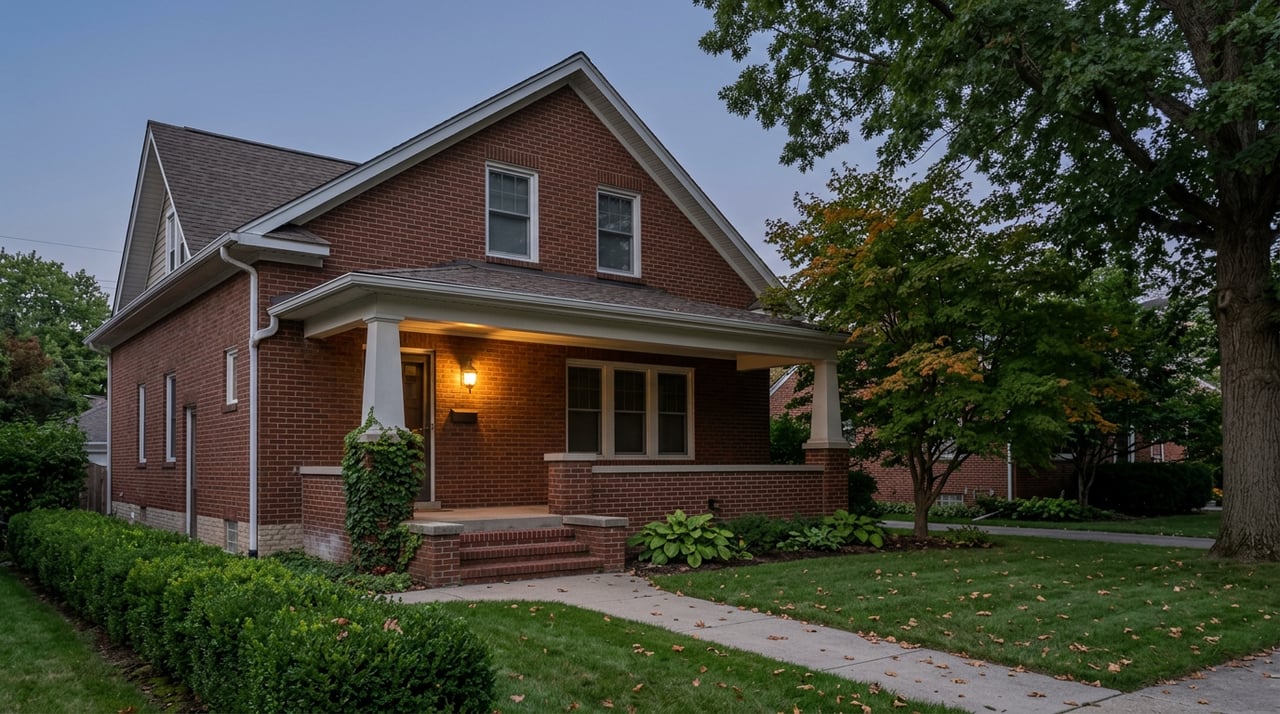
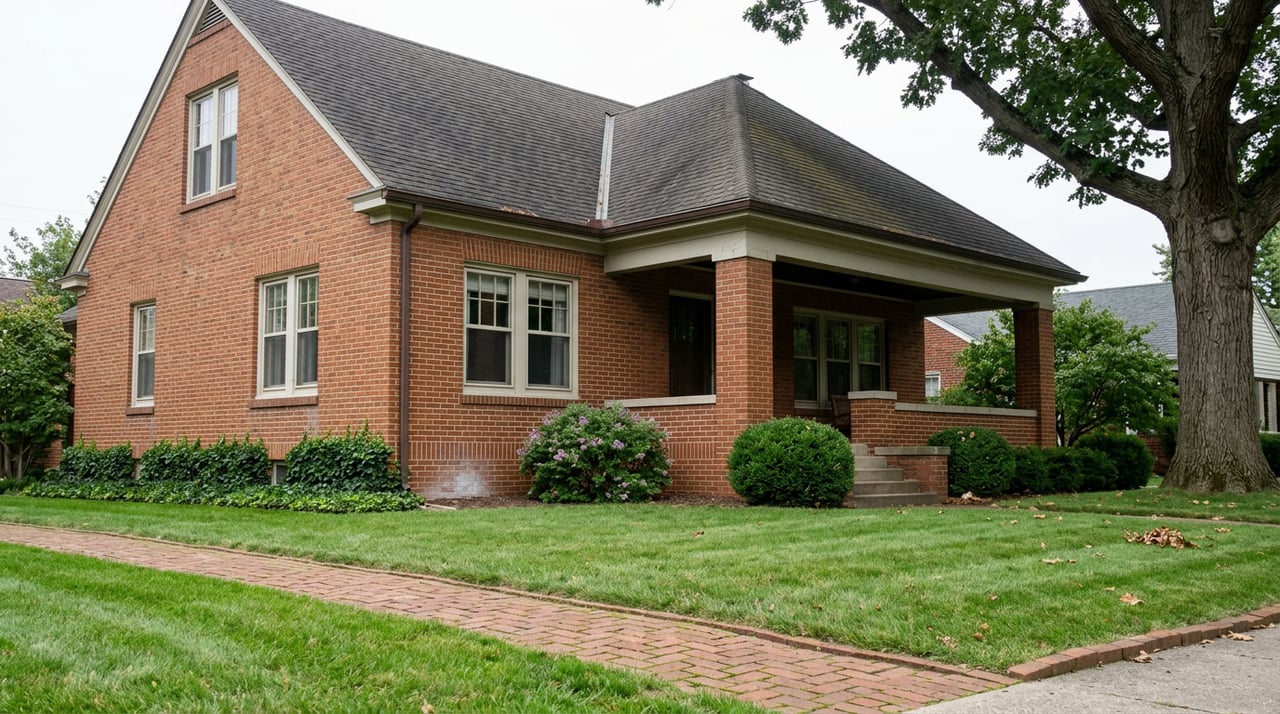
The South Side’s built environment also influences how condo living feels from the sidewalk up. The Chicago Architecture Center’s bungalow resource notes that the city’s bungalow belt includes neighborhoods such as Chatham and South Chicago. Even when you are shopping for a condo rather than a bungalow, that broader low-rise housing pattern helps explain why some blocks feel especially neighborhood-oriented and less tower-centric.
Amenities may come from the neighborhood
A key difference between South Side condo living and downtown condo living is where your amenities are located. On the South Side, neighborhood assets often matter as much as, or more than, building amenities. Instead of relying on a rooftop deck or private dog run, you may spend more time using nearby parks, lakefront spaces, and transit connections.
The Chicago Park District reports that the city has 600 parks and 26 miles of lakefront, and its Central Region includes shoreline access, lakefront trails, and Burnham Harbor. For many condo owners, those public spaces become part of everyday life. That can be especially valuable if your building itself has a more modest amenity package.
Parks and public recreation can add daily value
Public recreation is a real part of the lifestyle equation. The Park District also notes that parks host free programming across neighborhoods, including cultural events and summer movie screenings, which can help extend your living experience beyond your unit and building. You can get a sense of that role through examples like Park District community programming.
If you are comparing condos, it helps to think beyond the unit itself. Ask how often you will use nearby open space, trails, cultural programming, and neighborhood services. In many South Side locations, those features are part of the real value of condo ownership.
Transit can vary block by block
Transit access is another factor that can strongly shape your experience. Some South Side condo locations offer easier access to rail and regional transportation than others, so your daily routine may depend heavily on the specific building location.
The CTA makes rail system information available through its system maps and brochures page, while the regional RTA map includes CTA, Pace, and Metra connections. For buyers, that means one condo may work well for your commute or car-light lifestyle, while another may not, even if both are in the same general part of the city.
Location matters more than condo category
This is why broad labels like “South Side condo” only tell part of the story. Your actual experience may be shaped by how close you are to transit, parks, services, and lakefront access points. A smart condo search here is not just about unit size or finishes. It is about how the building and the neighborhood work together.
Association life is part of the deal
When you buy a condo, you are not just buying the unit. You are also buying into a shared building structure and an association that manages common responsibilities. That is true anywhere, but it is especially important to understand in older buildings where maintenance needs can be more significant over time.
Under Illinois law, condo associations must prepare annual budgets, provide for reasonable reserves for capital expenditures and deferred maintenance, and provide owners with annual accounting. Board meetings related to annual budgets and regular assessments must also be open to owners. You can review those requirements in the Illinois Condominium Property Act.
Monthly assessments support shared upkeep
Monthly assessments are how the association pays for common expenses and long-term maintenance. Illinois law also requires property and liability insurance, and larger associations must maintain fidelity coverage for people who handle association funds, as outlined in the state insurance requirements for condominium associations.
That means your monthly payment is doing more than covering basic shared utilities. It may also be supporting reserves, insurance, landscaping, snow removal, cleaning, and repairs to common building systems. In a smaller or older building, understanding exactly what the assessment covers is essential.
Special assessments are possible
One realistic expectation to have is that special assessments can happen. If a building needs major work, the association may adopt a special assessment. Emergency work or legally required work can also lead to additional costs, according to the Illinois Condominium Property Act.
That does not mean every older South Side condo is a financial risk. It does mean you should look closely at the association’s budget, reserves, and maintenance planning before you buy. Shared roofs, masonry, windows, boilers, and elevators can all affect future costs depending on the building type.
Due diligence matters more than finishes
A beautifully updated kitchen can catch your eye, but condo buyers should dig deeper than surface-level updates. In many South Side buildings, the strength of the association can matter just as much as the look of the unit.
A practical review should include:
- The proposed annual budget
- Annual accounting statements
- Reserve study or reserve-funding discussion
- Board meeting minutes
- Bylaws and governing documents
- History of special assessments
The Illinois Department of Financial and Professional Regulation board guide is especially helpful on the annual budget and reserve process. If you are comparing an older walk-up to a newer or more heavily managed building, these documents can reveal a lot about long-term stability and likely costs.
Who South Side condo living fits best
South Side condos can work well for several types of buyers. For first-time buyers, they may offer a lower-maintenance path into ownership with a neighborhood feel instead of a tower feel. The Chicago Architecture Center notes that the city’s Missing Middle effort is aimed at creating lower-cost owner-occupied housing on the South and West sides, which supports that broader affordability and ownership conversation.
For downsizers, the appeal is often simpler upkeep and easier access to parks, trails, transit, and neighborhood services. For buyers who want more room than a typical downtown condo, two-flats, three-flats, and six-flats can sometimes offer a more generous footprint while still keeping maintenance shared. The Chicago Architecture Center’s two- and three-flat resource frames these as middle-density housing between single-family homes and larger apartment complexes.
The tradeoffs to expect
Condo living always comes with tradeoffs, and South Side condos are no exception. The biggest ones are usually shared walls, association rules, and the possibility of future building-related costs. In exchange, you may spend less time managing exterior upkeep and more time enjoying the benefits of your neighborhood.
That trade can be a smart one if it matches your priorities. If you value location, neighborhood character, and lower day-to-day maintenance more than a private yard or a full-service tower, South Side condo living may be a strong fit.
What to keep in mind as you shop
As you compare options, focus on three big variables: building type, association health, and neighborhood context. A vintage unit in a small brick building can be a great purchase, but only if the association is handling maintenance responsibly. A newer condo may offer a more modern layout, but the surrounding block and transit access still matter to your day-to-day life.
The best way to buy confidently is to evaluate the full picture, not just the listing photos. When you understand how the building works, how the association is run, and how the neighborhood supports your lifestyle, you can make a much smarter decision.
If you are weighing condo options on Chicago’s South Side, working with a local agent who understands neighborhood differences and knows how to spot association red flags can make the process much clearer. When you are ready for guidance tailored to your goals, connect with Tina Hollins for a consultation.
FAQs
What types of condo buildings are common on Chicago’s South Side?
- South Side condos are often found in two- and three-flats, courtyard buildings, greystones, six-flats, and newer infill properties rather than only in downtown-style high-rises.
What should buyers expect from amenities in South Side condos?
- Many South Side condo buildings have more modest on-site amenities, so nearby parks, lakefront access, and neighborhood services often play a bigger role in everyday living.
What do monthly condo assessments cover in Illinois condo buildings?
- Monthly assessments generally fund common expenses such as maintenance, insurance, and long-term building upkeep, depending on the association and property.
How important are condo reserves in older South Side buildings?
- Reserves are very important because they help associations plan for deferred maintenance and capital repairs, which can reduce the chance of unexpected special assessments.
How can buyers evaluate a South Side condo association before closing?
- Buyers should review the budget, annual accounting, reserve information, board minutes, bylaws, and any history of special assessments before moving forward.
Who is a good fit for condo living on Chicago’s South Side?
- South Side condo living can be a strong fit for first-time buyers, downsizers, and buyers who want shared upkeep and neighborhood-oriented living with access to transit, parks, and lakefront amenities.