Thinking about buying in Chicago and letting rent help cover the mortgage? House hacking can be a smart way to break into homeownership here, but it works best when you treat it like a real plan, not a shortcut. If you are curious about buying a 2-flat, duplex, or small multi-unit property in the city, this guide will walk you through the basics so you can make informed, confident decisions. Let’s dive in.
What house hacking means in Chicago
In Chicago, house hacking usually means buying a small multifamily property, living in one unit, and renting out the other unit or units. The goal is to use rental income to help offset your monthly housing costs and ongoing property expenses.
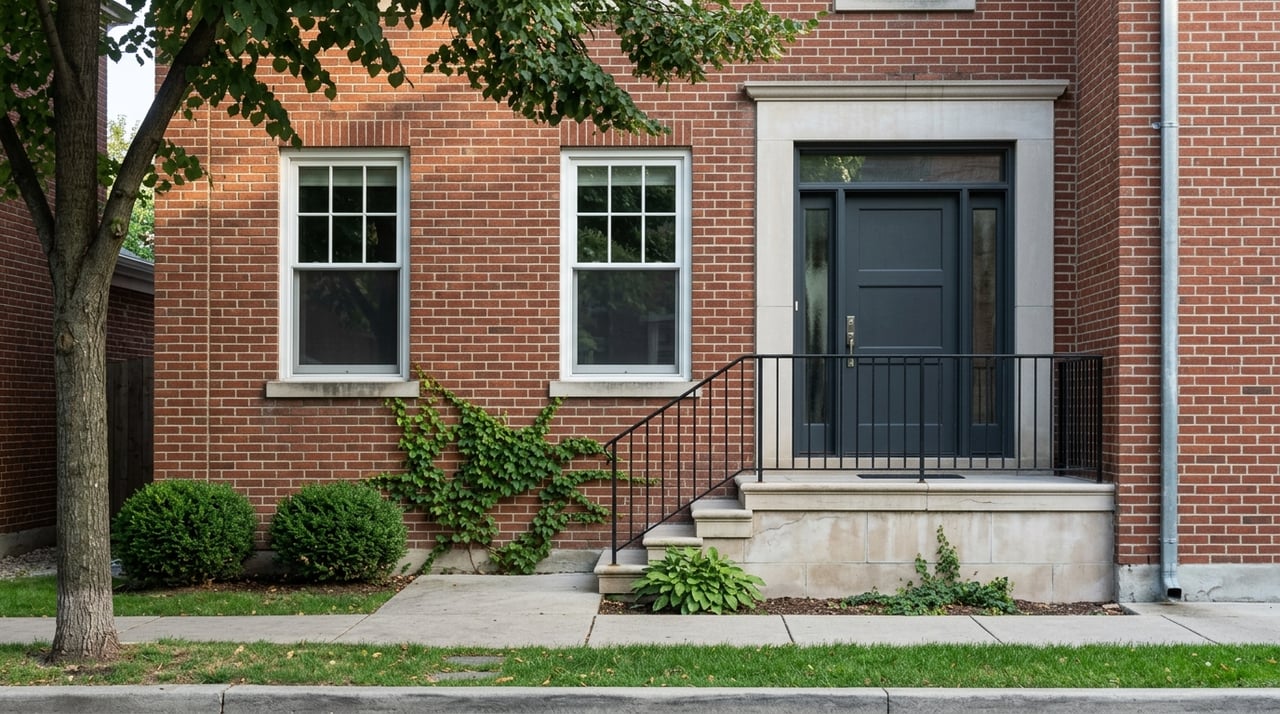
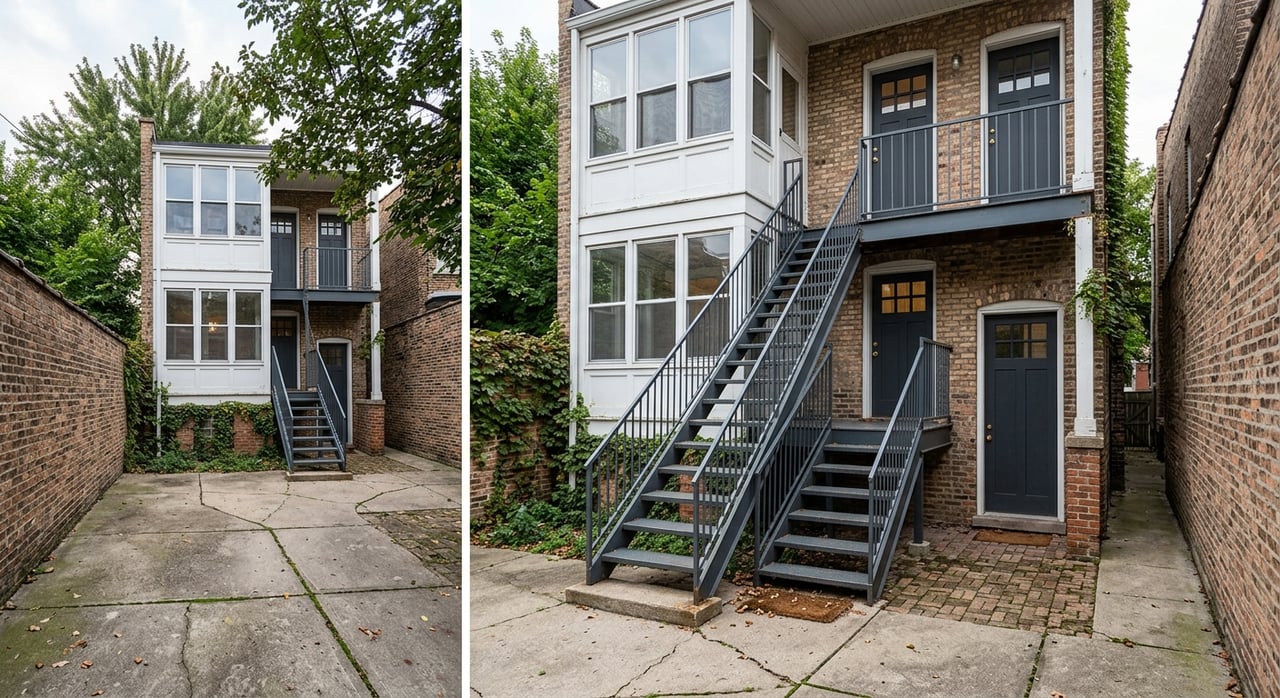
This strategy fits Chicago especially well because small brick multifamily buildings are part of the city’s housing fabric. In many areas, two-flats, three-flats, and small apartment buildings are common, which makes this path feel more practical here than in markets dominated by single-family homes.
Why Chicago is a strong market
Chicago offers a built-in advantage for beginner house hackers because small multifamily properties are familiar and widely recognized property types. That gives you more realistic options if you want to live in one unit and rent the others.
There are also owner-occupant savings that can matter when you are working through your budget. The Cook County Homeowner Exemption reduces a property’s equalized assessed value by $10,000, and the Cook County Assessor says that saves the average homeowner about $950 per year.
If you qualify, Chicago’s Utility Billing Relief program may also reduce water and sewer charges by 50% for owner-occupants of single-family homes, 2-flats, or 3-flats who meet the program’s income rules. These savings will not make or break a deal on their own, but they can improve your monthly math.
Best property types for beginners
For most first-time house hackers, the easiest starting point is a duplex or 2-flat. These properties are usually simpler to understand, simpler to manage, and often less complicated to finance than 3- or 4-unit buildings.
Three-flats and four-flats can still work, but they come with extra underwriting considerations if you use FHA financing. In particular, FHA applies a self-sufficiency test to three- and four-unit properties, but not to two-unit buildings.
Why 2-flats often make sense
A 2-flat can give you rental income without adding too much complexity right away. You have fewer units to manage, fewer tenants to coordinate with, and typically a more straightforward ownership experience.
For many Chicago buyers, that makes a 2-flat the best balance between affordability, income potential, and day-to-day responsibility. It can be a practical first step if you want to learn the landlord side of ownership while still keeping things manageable.
When to consider a 3-flat or 4-flat
A 3-flat or 4-flat may offer more rental income, but the numbers need to work more carefully. More units can mean more maintenance, more tenant communication, and more compliance responsibilities.
If you are considering one of these properties, make sure you understand both the financing rules and the operating demands before you move forward. More income potential can be appealing, but only if the building is financially and physically sound.
How financing usually works
FHA financing is often the entry point for first-time house hackers. HUD states that FHA loans can allow down payments as low as 3.5% on 1- to 4-unit properties, which can make a small multifamily purchase more reachable.
FHA also allows rental income from a two- to four-unit property to be treated as effective income when the documentation requirements are met. That can help with qualification, but lenders still need solid support for the projected rent.
Conventional financing is another option. Fannie Mae guidance allows rental income from 2- to 4-unit primary residences to be used for qualifying when the lender has the required documentation.
Budget beyond the down payment
It is easy to focus on the down payment and forget the other costs that come with the purchase. Closing costs commonly run about 2% to 5% of the purchase price, and if you put down less than 20%, you will typically need mortgage insurance or a government-backed loan structure.
You should also plan for repair reserves, possible vacancy, and the normal surprises that come with an older Chicago building. Rent can help support your budget, but it should not be your only safety net.
What to check before you buy
In Chicago, many small multifamily properties are older, which means the building itself deserves close review. A strong deal on paper can become a weak deal quickly if the property has major habitability or safety problems.
Pay special attention to structural integrity, exits and stairways, porches, basements, heat, hot water, plumbing, electrical systems, windows and doors, pest control, and common-area safety. These are not just maintenance items. They are the kinds of issues that can create legal and financial trouble once you become a landlord.
Older buildings need extra scrutiny
Chicago’s housing stock includes many pre-1978 buildings. If the property falls into that category, lead-based paint disclosure rules may apply before a lease is signed.
That makes it important to confirm what is known about the property before you market a unit to a tenant. For a beginner, this is one of the clearest examples of why due diligence matters just as much as the purchase price.
Chicago landlord rules to understand
Once you rent out part of your building, you take on landlord responsibilities. In Chicago, that can include specific repair, disclosure, notice, and access rules, depending on whether the property falls under the city’s Residential Landlord and Tenant Ordinance, often called the RLTO.
One important Chicago-specific point is that rental units in owner-occupied premises with six units or fewer are excluded from most of Chapter 5-12. However, the anti-lockout rule still applies to every rented unit in those buildings.
That means if you live in your 2-flat or 3-flat, you should not assume the rules work exactly the same as they do for a fully investor-owned apartment building. It also does not mean there are no rules. Owner-occupants still need to handle tenant relationships carefully and lawfully.
Key duties for covered rentals
For Chicago rentals covered by the RLTO, landlords must maintain the property in compliance with the municipal code and make necessary repairs promptly. The ordinance also gives tenants remedies in certain situations when a unit is not reasonably fit and habitable.
Covered landlords also have disclosure obligations. They must provide the name, address, and telephone number of the owner or manager and the person authorized to receive notices, and that information must be kept current.
Security deposits also come with strict rules for covered rentals. They must be held in an Illinois interest-bearing account, the bank information must be disclosed, and the deposit generally must be returned within 45 days after move-out with any required interest.
Entry rules matter too. For covered rentals, landlords generally must give at least two days’ notice before entry, except in emergencies or when practical necessity applies, and entry should happen at reasonable times.
Chicago vs suburban Cook County rules
If your search stretches beyond Chicago city limits, pause and confirm which rules apply. Chicago proper follows the RLTO, while suburban Cook County follows a separate Residential Tenant Landlord Ordinance, called the RTLO, which took effect on June 1, 2021.
That distinction matters because the county ordinance has different coverage rules and exemptions, including some that affect owner-occupied small buildings. If you are comparing properties in Chicago and nearby suburbs, make sure you are not treating them as if they follow the same rental rules.
How to think about the numbers
A lot of first-time buyers hear house hacking described as a way to live for free. In reality, the stronger way to view it is as a strategy that can reduce your housing costs while helping you build equity over time.
You still need disciplined underwriting. That means looking at your mortgage payment, taxes, insurance, utilities, expected repairs, vacancy risk, and whether the likely rent is well supported by leases or market rent documentation.
The best beginner deals are often the ones that look a little boring on paper. If the building is easier to finance, easier to maintain, and easier to operate legally, it may be a better long-term fit than a larger property with more moving parts.
A smart first move for Chicago buyers
If you are new to house hacking, start by narrowing your search to property types and locations that match your comfort level. In many cases, a Chicago 2-flat or duplex gives you the cleanest introduction to owner-occupied multifamily ownership.
From there, focus on the details that protect you: realistic financing, careful inspection, clear documentation of rental income, and a solid understanding of the rules that apply once you become a landlord. That combination can help you buy with more confidence and fewer surprises.
If you are exploring a Chicago house hack and want neighborhood-aware guidance on small multifamily opportunities, Tina Hollins can help you evaluate your options and move forward with a clear plan.
FAQs
Is house hacking in Chicago good for first-time buyers?
- It can be a practical option for first-time buyers who want to live in one unit and use rent from the other unit or units to help offset housing costs, especially in Chicago where 2-flats and small multifamily properties are common.
Is a 2-flat better than a 3-flat for a Chicago house hack?
- For many beginners, yes. A 2-flat is usually simpler to finance and manage, and FHA’s self-sufficiency test does not apply to two-unit properties.
Can you use rental income to qualify for a Chicago house hack?
- Often yes, if your lender can properly document the rental income. FHA and conventional loan guidance both allow rental income from 2- to 4-unit primary residences in certain cases.
Do Chicago landlord rules apply if you live in the building?
- Sometimes, but not always in the same way as a fully investor-owned building. In Chicago, owner-occupied buildings with six units or fewer are excluded from most of Chapter 5-12, but anti-lockout protections still apply.
What should you inspect first in an older Chicago multifamily property?
- Focus on structural integrity, stairs and exits, porches, basement conditions, heating, hot water, plumbing, electrical systems, windows and doors, pest issues, and common-area safety.
Do Chicago and suburban Cook County follow the same rental rules?
- No. Chicago follows the RLTO, while suburban Cook County follows the county RTLO, which has different coverage rules and exemptions.